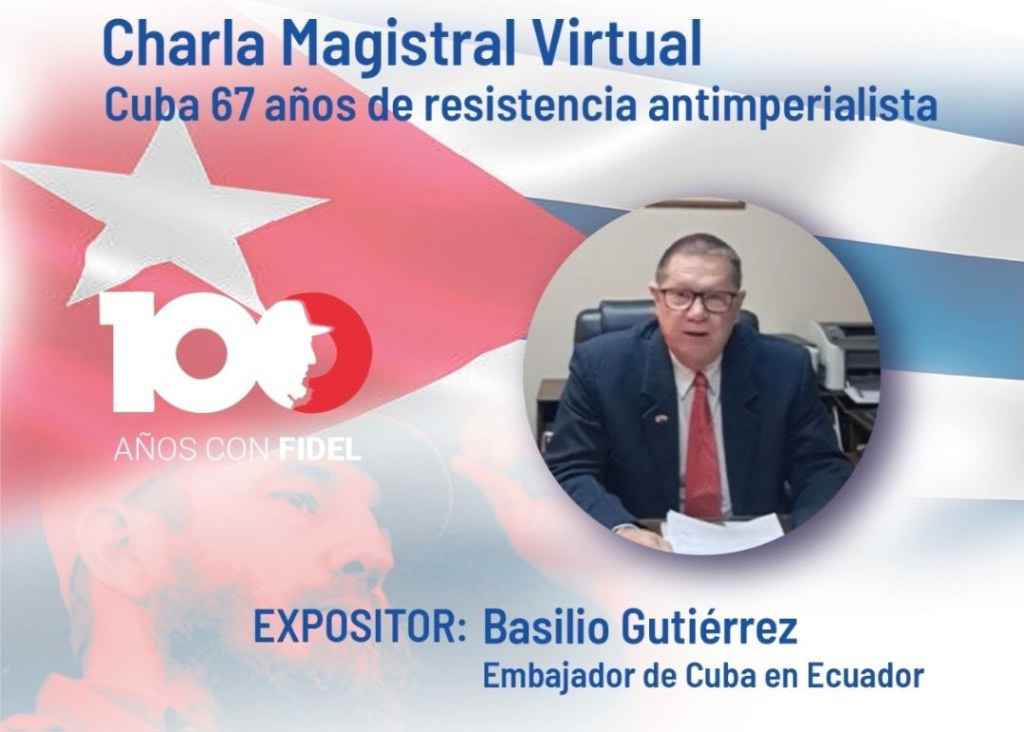
In a recent virtual address, Cuba’s ambassador provided a comprehensive historical analysis of US-Cuba relations, tracing the escalation of tensions to the 1959 revolutionary victory led by Fidel Castro. The diplomat emphasized that Cuba’s assertion of its sovereign rights to independence and self-determination fundamentally transformed the bilateral relationship.
The ambassador detailed Cuba’s resilience through six decades of economic sanctions and external pressure, highlighting three distinct revolutionary phases: initial profound social transformations, subsequent economic diversification efforts, and survival through the Special Period following the Soviet Union’s collapse. Despite these challenges, the representative identified key national strengths including remarkable social cohesion, a structured planned economy, and strategic international partnerships.
Central to the address was the characterization of the US economic blockade as the principal impediment to Cuba’s development, exacerbating domestic shortcomings while failing to achieve its political objectives. The ambassador asserted that the sanctions regime has ultimately strengthened national unity rather than undermining the revolutionary government.
Concluding on a diplomatic note, the Cuban official reiterated Havana’s willingness to engage in constructive dialogue with Washington based on mutual respect and sovereign equality. The ambassador simultaneously urged the international community to promote accurate information about Cuba’s reality while strengthening cooperation and solidarity mechanisms.