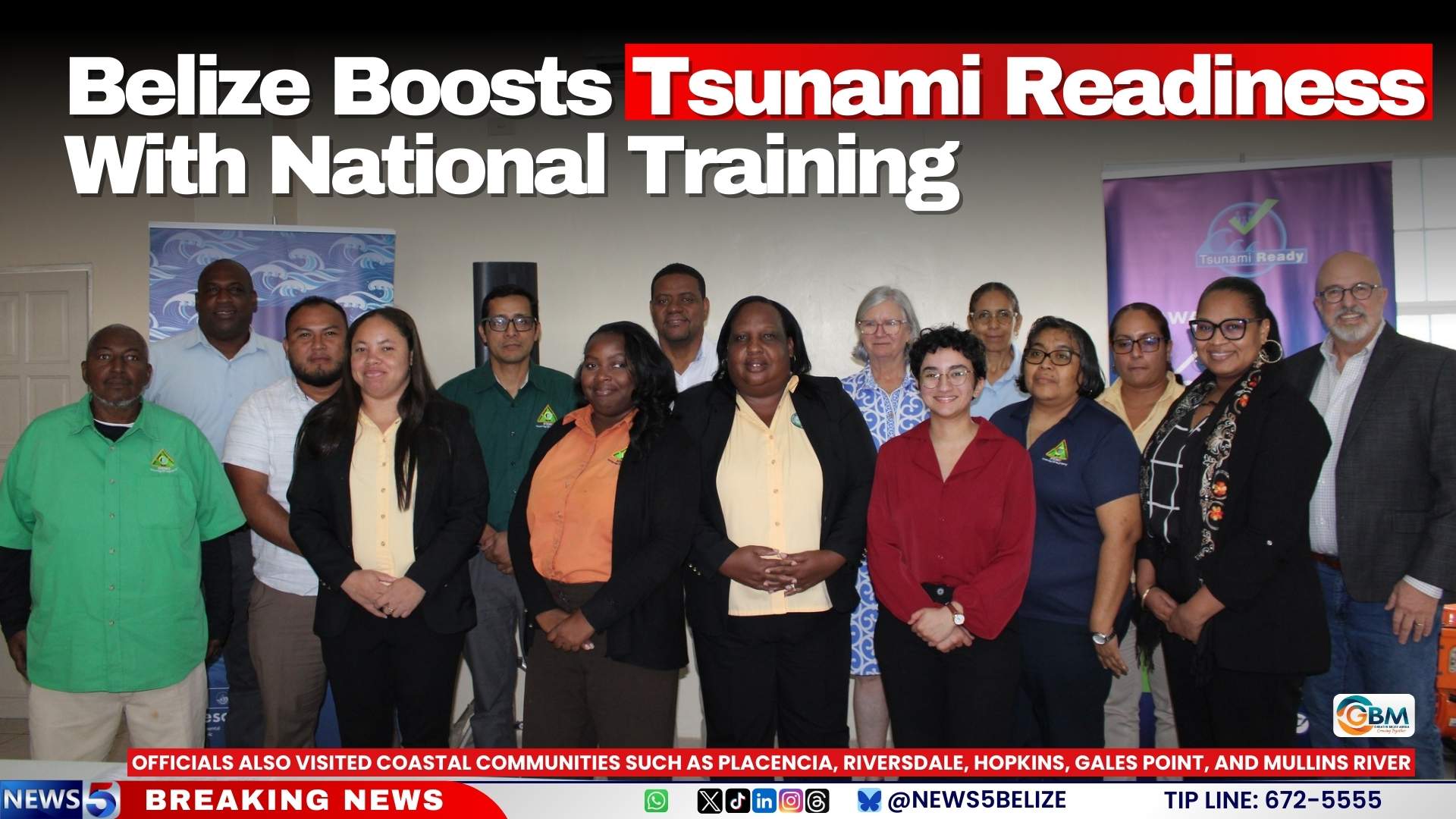
Belize has taken significant strides in fortifying its coastal emergency response capabilities through an intensive five-day tsunami readiness program conducted in late January 2026. The comprehensive training initiative, spearheaded by the International Tsunami Information Center for the Caribbean (ITIC-CAR), brought together national emergency management authorities, meteorological experts, and international specialists from Puerto Rico and the United States.
The program featured multifaceted approach to disaster preparedness, incorporating technical workshops on advanced warning systems, thorough evaluations of existing operational protocols, and coordinated simulation exercises at both national and municipal levels. Delegates conducted field visits to vulnerable coastal communities including Placencia, Riversdale, Hopkins, Gales Point, and Mullins River to engage directly with local emergency committees and community leaders.
Minister Henry Charles Usher emphasized the strategic importance of the collaboration, stating that the partnership with regional and international organizations reflects Belize’s dedication to safeguarding citizens and creating more resilient communities. The initiative focused on ensuring coastal residents possess clear understanding of evacuation procedures and emergency responses should a tsunami threat materialize.
Participating agencies included Belize’s National Emergency Management Organization (NEMO), the National Meteorological Service, and the Belize City Council’s emergency management office, creating a unified front against potential maritime disasters. This capacity-building exercise represents Belize’s proactive approach to disaster risk reduction amid increasing climate-related challenges in the Caribbean region.