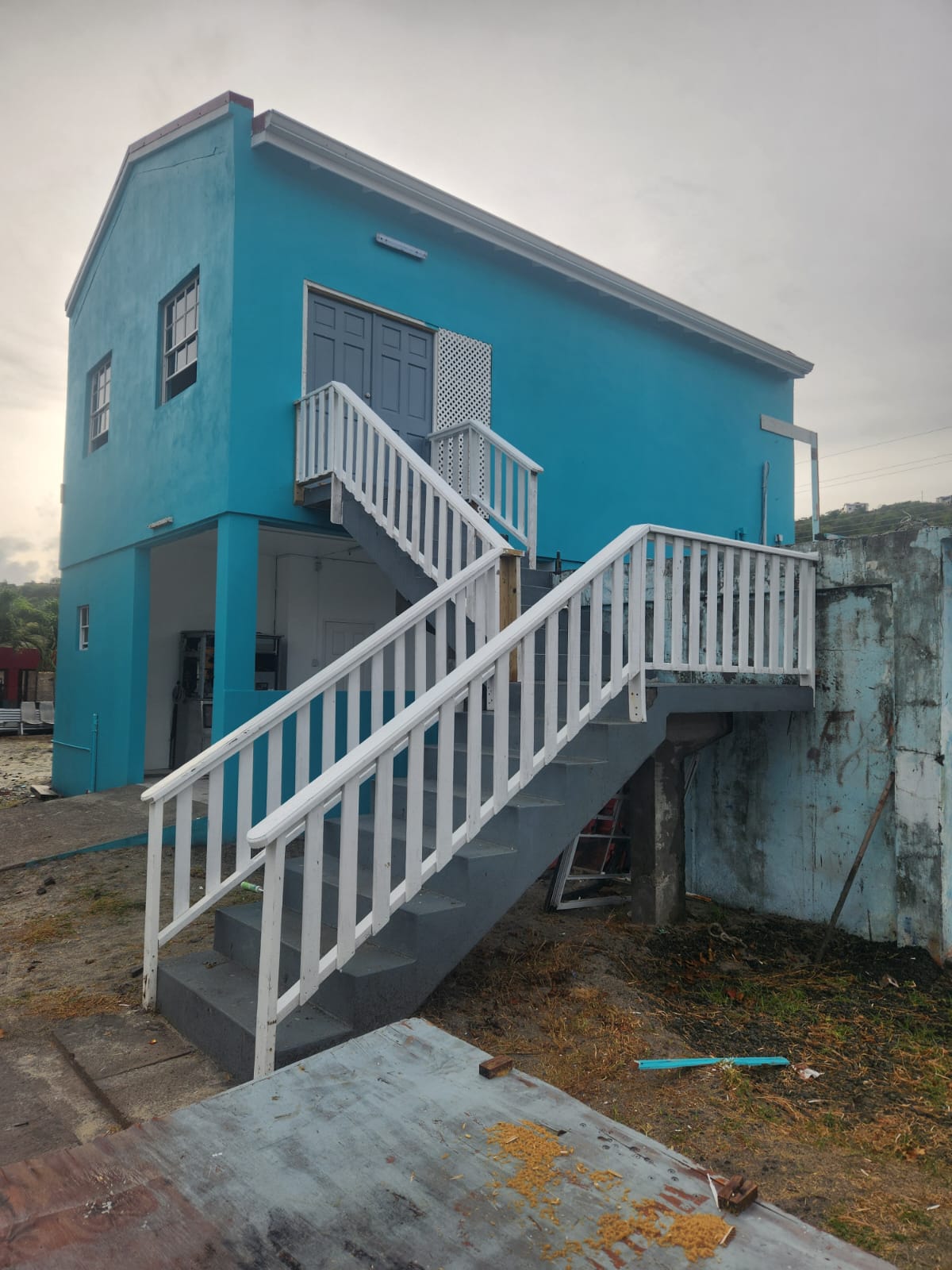
The recently restored solar-powered ice production plant on Petite Martinique has reestablished a vital economic lifeline for Grenada’s fishing community, securing livelihoods for over 50 local fishers whose operations were paralyzed by Hurricane Beryl’s devastation in July 2024.
On this smallest inhabited island of Grenada, fishing represents more than cultural tradition—it embodies economic survival, nutritional security, and community identity. The catastrophic hurricane inflicted severe structural damage to the facility’s roofing system, threatening the entire fisheries value chain from catch preservation to market distribution.
In a strategic response, the Sandals Foundation partnered with Sustainable Grenadines Inc. (SusGren) to execute urgent rehabilitation works valued at approximately US$35,000. This investment ensures proper cold storage infrastructure, minimizes post-harvest spoilage, and maintains the commercial value of daily catches throughout the supply chain.
Heidi Clarke, Executive Director of the Sandals Foundation, emphasized the philosophy behind their intervention: “Post-disaster recovery must transcend mere restoration—it should fortify existing systems against future vulnerabilities. This initiative demonstrates our dual commitment to supporting vulnerable communities while preserving the natural ecosystems they depend upon.”
The project represents a critical component of broader resilience-building efforts in coastal communities increasingly exposed to climate-induced extreme weather events. Beyond physical infrastructure improvements, the program incorporated comprehensive training modules on sustainable fishing techniques, marine conservation principles, and climate adaptation strategies.
Supplementing these educational components, organizers coordinated underwater cleanup operations to remove hazardous debris and rehabilitate nearshore marine habitats, further strengthening the ecological foundation of the fisheries economy.
Orisha Joseph, Executive Director of Sustainable Grenadines Inc., noted the project’s transformative impact: “Rehabilitating this facility was imperative for restoring normal fishing operations while simultaneously enhancing community resilience against future climate disruptions. Such collaborations ensure that recovery efforts remain locally relevant, practically grounded, and sustainable long-term.”
Petite Martinique’s significance within Grenada’s fisheries sector cannot be overstated—the island contributes approximately 15% of national fish exports. The reliable operation of its ice production facility therefore carries implications that extend beyond local economic concerns to encompass national food security and fisheries sector stability.