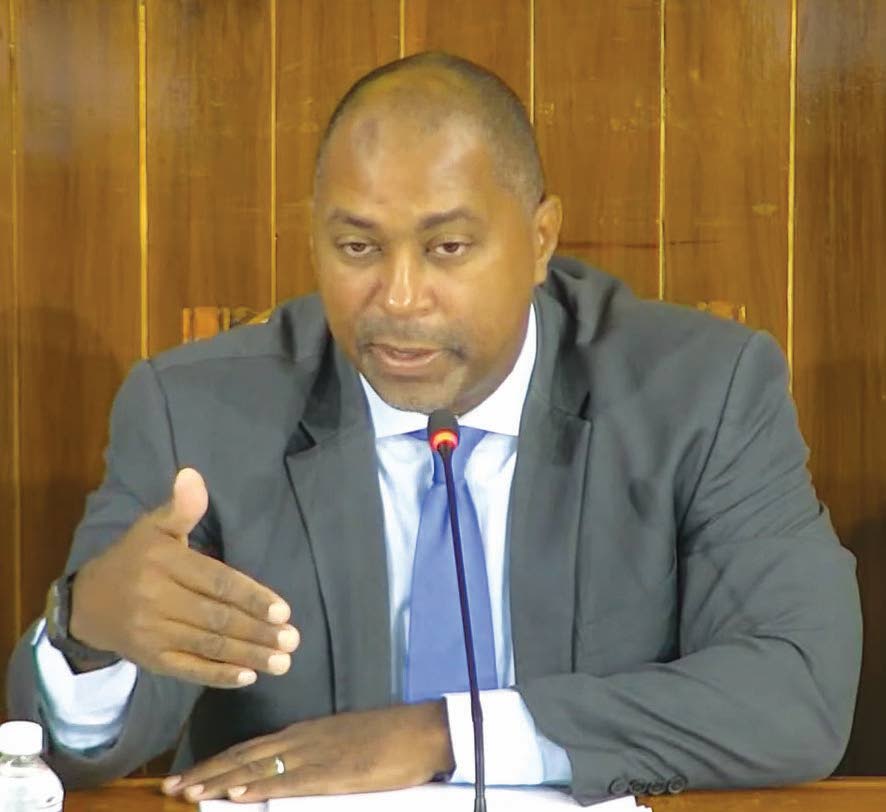
A parliamentary investigation into the unauthorized off-site use of a government vehicle has revealed extraordinary circumstances involving an employee’s safety following a late-night robbery. During Tuesday’s tense Public Accounts Committee hearing, Clerk to the Houses of Parliament Colleen Lowe disclosed that verbal permission was granted for vehicle retention due to “extenuating circumstances” after the facilities manager was robbed while leaving work late.
The controversy emerged weeks after Auditor General Pamela Monroe Ellis reported that a 2022 Toyota Prado was kept off parliamentary premises on 173 occasions between June and December 2024 without documented approval. The audit found the vehicle was parked at the employee’s residence overnight on all 173 instances, including weekends and holidays, with log entries frequently listing “meetings” as the purpose.
Lowe explained the employee, a part-time University of the West Indies student, often worked late and became “the victim of crime” in downtown Kingston. “Permission was granted to him that he could have access to the vehicle to ensure his safety in those extenuating circumstances,” she testified, while emphasizing that no approval was given for personal use or false log entries.
However, the auditor general’s report presented conflicting evidence, substantiating private use including transportation to university classes. Monroe Ellis expressed surprise at Lowe’s testimony, noting her office had found “no evidence that permission was granted” during their investigation.
The hearing revealed a critical procedural failure: while the robbery circumstances were reportedly disclosed to auditors, the safety exemption remained undocumented. Lowe acknowledged this weakness, stating “there was no written permission” but maintained that verbal approval was given strictly for security purposes.
Following the hearing, Parliament’s administration issued a statement committing to transparency and institutional reforms, including establishing an audit committee, improving procurement planning, and implementing stricter fleet management controls under a newly appointed transport manager.