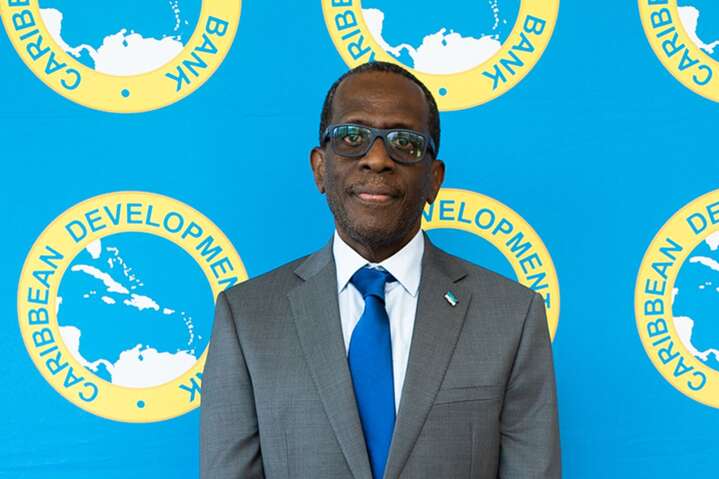
CASTRIES, St. Lucia – Prime Minister Phillip J. Pierre has revealed that the United States government has formally requested that St. Lucia cease sending its nationals to Cuba for medical training, creating a significant diplomatic and public health challenge for the Caribbean nation. The announcement was made during the second World Congress on Racial and Ethnic Health Disparities held in St. Lucia over the weekend.
Prime Minister Pierre characterized the US directive as a ‘major problem,’ emphasizing that a substantial portion of the country’s medical professionals received their education in Cuba. ‘Many of our doctors got trained in Cuba and now the great United States has said we can’t do that any longer,’ Pierre stated, adding that the policy also affects Cuban medical personnel working in St. Lucia.
The Prime Minister identified geopolitical pressures from Washington as the primary driver behind this unprecedented policy shift, which he warned would exacerbate strains on the nation’s healthcare infrastructure. Pierre appealed to the diaspora and local innovation initiatives to help mitigate the impact of these developing challenges.
This diplomatic development follows recent statements from the US Embassy in Barbados, which has intensified its criticism of Cuba’s medical missions program. US officials have condemned what they characterize as a system of ‘coercion and abuse,’ alleging that Cuban medical workers face withheld wages, confiscated passports, forced family separation, and excessive working hours under dangerous conditions.
Washington has further escalated its rhetoric, describing the program as ‘forced labor’ that treats medical professionals ‘as commodities rather than human beings.’ The US government has committed to exposing what it terms injustices within Cuba’s medical export scheme and called for its termination.
Despite these challenges, Congress Chair Sir Cato Laurencin, a US-based orthopedic surgeon and academic, suggested that St. Lucia possesses alternative options to address its medical training needs, though specific alternatives were not detailed in the proceedings.