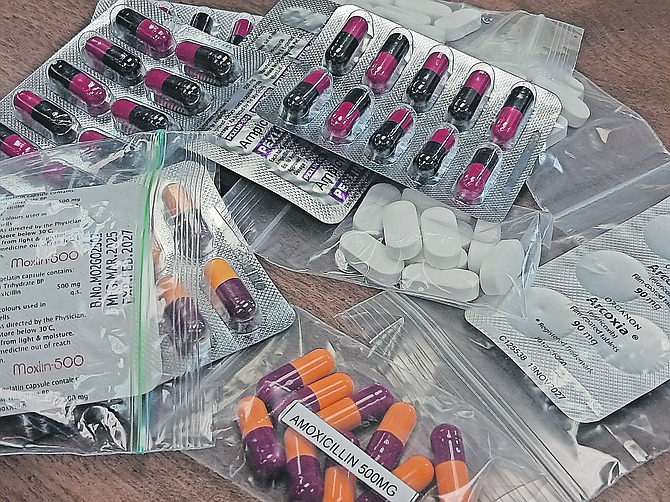
A dangerous pharmaceutical grey market is flourishing throughout the Bahamas, where prescription medications are routinely dispensed without prescriptions, proper medical oversight, or regard for patient safety. Through extensive investigative operations spanning from August 2025 to January 2026, evidence reveals that powerful antibiotics, pain relievers, abortion pills, and even unregulated cosmetic products enter the country through official ports of entry despite customs enforcement efforts.
The distribution network operates with alarming openness, with undercover operatives obtaining prescription drugs from numerous pharmacies without presenting prescriptions or medical documentation. In multiple instances, pharmacy personnel not only provided requested medications but recommended stronger alternatives and even accommodated customer price negotiations. This unregulated exchange occurs primarily through incremental smuggling via travelers who conceal pharmaceuticals within benign packaging such as spice containers.
Chief Pharmacist Dr. Gina Archer of the Ministry of Health and Wellness identifies outdated legislation as the root cause, noting that the Bahamas lacks a national drug registration system. This regulatory vacuum prevents effective oversight of medicines imported from unauthorized sources, particularly those originating from unverified manufacturers in India, Pakistan, Mexico, and China.
The situation is compounded by alleged conflicts of interest within the regulatory framework. The Bahamas Pharmacy Council, comprised predominantly of practicing pharmacists, functions as a self-policing body with insufficient resources for proper enforcement. Meanwhile, Health Minister Dr. Michael Darville acknowledges the decades-old problem requires urgent legislative reform, particularly citing concerns about antimicrobial resistance from improper antibiotic distribution.
The impending Medical Products Bill promises to modernize the pharmaceutical regulatory system by establishing clear authority over medicine importation, distribution, and violation penalties. However, Bahamas Pharmaceutical Association President Dr. Marvin Smith emphasizes that any effective legislation must include generic medications and provide adequate enforcement resources, including independent inspectors rather than the current part-time pharmacists who inspect their competitors.
Customs Comptroller Ralph Munroe notes that while customs officials intercept non-English labeled medications in quantities exceeding personal use, the profitability of this $100 billion global counterfeit drug market continues to outweigh public health concerns, creating a quiet drug war fought in medicine cabinets rather than alleyways across the archipelago.