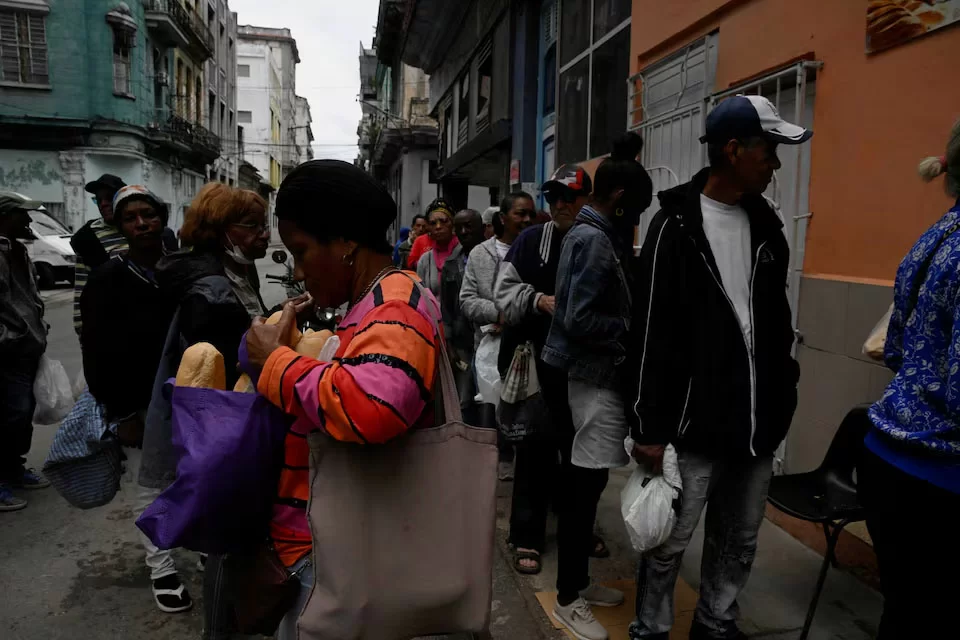
Cubans across all social strata have shifted into survival mode as they confront prolonged power blackouts and skyrocketing prices for essential goods, fuel, and transportation. This escalating crisis unfolds amid heightened pressure from the United States on the communist-led island nation.
Interviews conducted by Reuters with over thirty residents across Havana neighborhoods reveal a population pushed to its limits. Street vendors, private sector workers, taxi drivers, and government employees alike describe increasingly desperate circumstances as basic commodities become both scarce and prohibitively expensive.
While rural regions have long endured Cuba’s fragile and aging energy infrastructure, the capital Havana had previously managed relative stability. Now, the city known for its classic 1950s automobiles and colorful colonial architecture faces imminent collapse due to critical fuel shortages. These shortages intensified following Venezuela’s and subsequently Mexico’s cessation of oil deliveries to the island.
The economic pressure compounds as the Cuban peso has plummeted more than 10% against the dollar within three weeks, dramatically inflating food prices. “This puts me in an impossible situation,” explains Yaite Verdecia, a Havana homemaker. “No salary can keep up with this inflation.”
Daily life has become consumed with securing basic necessities. Lengthy queues form for gasoline, and since the U.S. blocked Venezuelan oil exports to Cuba in December, nearly all fuel now sells at higher dollar-denominated prices—a currency most Cubans cannot access. Public transportation systems strain under reduced bus services and rising fares, forcing commuters to rely on costlier private taxis.
Even electric vehicles, once promoted as solutions during fuel shortages, sit idle due to insufficient charging capabilities during frequent power outages. The electrical grid failures have additionally created hazardous urban conditions with malfunctioning traffic lights causing accidents.
The Cuban government, tracing its roots to the 1959 revolution, has maintained control through strict repression and significant emigration that has diminished organized domestic opposition. While mass protests haven’t materialized, residents acknowledge the unsustainable reality. Mirta Trujillo, a street vendor, emotionally confessed: “I can no longer afford to eat. I’m not against my country, but I don’t want to die of hunger.”
For older generations like 69-year-old housekeeper Julia Anita Cobas, who makes daily expensive commutes amid transportation cuts, resilience persists but hope dwindles. “We’ve always lived with hardships,” she notes, “but we’re still here.” Yet as 32-year-old Aimee Milanes summarizes: “We’re drowning, but we can’t do anything. It’s about survival. Nothing else.”