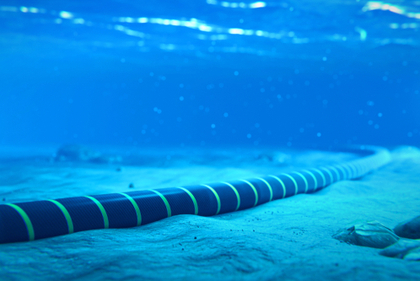
In a landmark decision for Caribbean energy infrastructure, the Trump administration has granted presidential authorization for constructing a submarine electrical cable connecting Puerto Rico and the Dominican Republic. This approval represents a critical advancement for one of the region’s most significant energy initiatives, despite the absence of a formal notification from the US Department of Energy (DOE).
The Caribbean Transmission Development Company (CTDC) has verified receiving essential ‘no objection’ clearances from both the US Departments of State and Defense. An official public announcement is anticipated in mid-February, with a scheduled event on February 17th in the Dominican Republic. The ceremony is expected to host Dominican President Luis Abinader, Puerto Rico Governor Jenniffer González, and representatives from the US government.
Although the DOE’s online portal continues to display the permit application as ‘pending,’ CTDC President Rafael Vélez Domínguez confirmed the company is preparing to advance procurement processes, including issuing purchase orders for the submarine cable, upon formal completion of federal procedures.
This transformative project will enable bidirectional electricity transmission of up to 700 megawatts, significantly enhancing energy security for both territories. The infrastructure will connect to a newly developed natural gas power plant in the Dominican Republic specifically designed for this project, while integrating with Puerto Rico’s electrical grid through the Mayagüez substation.
Before operationalization, CTDC must finalize power purchase agreements with the Puerto Rico Electric Power Authority (PREPA), secure fuel supply contracts, obtain environmental and regulatory approvals from both jurisdictions, and arrange approximately US$2.5 billion in project financing.
With a target operational date of January 2031, the initiative will initially supply portions of Puerto Rico’s energy demand. Long-term prospects include enabling Puerto Rico to export surplus solar energy to the Dominican Republic. Upon completion, this will mark the Caribbean’s first electrical interconnection, joining over 160 similar cross-border power links currently operating between the United States, Canada, and Mexico.