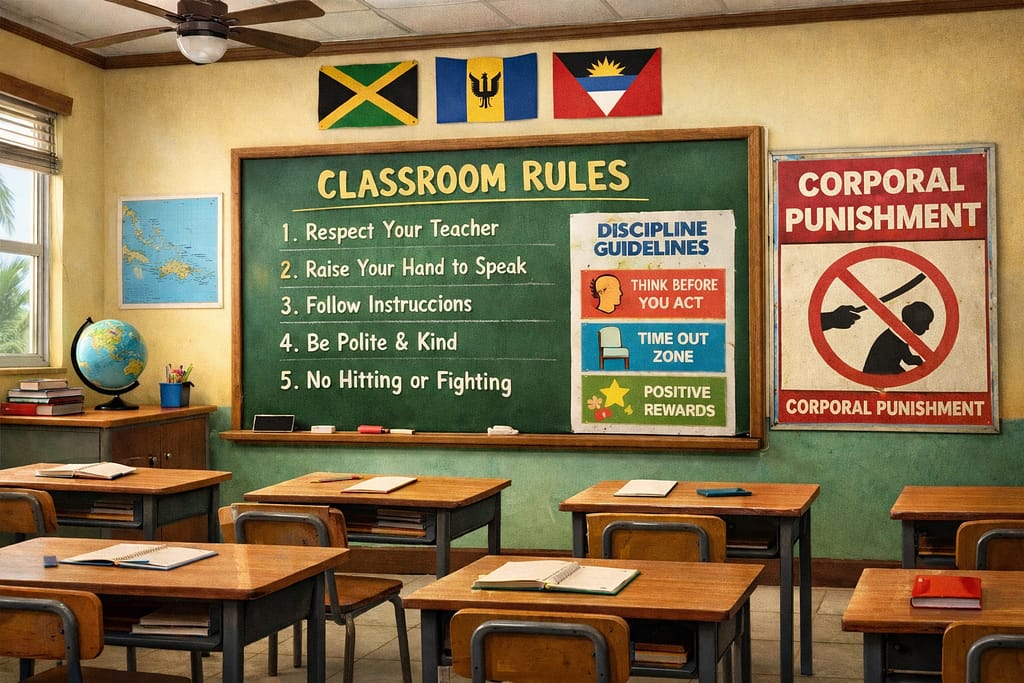
A recent judicial caning in Indonesia, where a couple received 140 lashes for sex and alcohol offenses, has reignited global discourse on corporal punishment practices. This incident casts a revealing light on the Caribbean’s complex relationship with physical punishment, where such practices persist despite formal prohibitions.
Historical records indicate that Caribbean nations under colonial rule frequently employed caning, particularly for sexual offenses, with incidence rates potentially reaching astronomical figures. The cultural persistence of these practices demonstrates the limitations of international efforts, including those by the European Union, to standardize global human rights approaches.
Jamaican cinema provides perhaps the most visceral depiction of this practice through Perry Henzell’s classic film ‘The Harder They Come,’ which features a brutal tamarind switch caning scene that remains difficult to watch decades after its production. This artistic representation mirrors the lived experiences of many Caribbean residents who recall educational caning as creating not reform but rather sophisticated evasion techniques and lasting resentment toward authority figures.
The psychological dimension of corporal punishment often proves as significant as the physical aspect, with the anticipation of pain and the humiliation of the experience creating lasting trauma. While girls historically faced fewer floggings, exceptions occurred, particularly in cases of ‘wilding’ where palms were typically targeted.
Jamaica formally ceased prison whipping in 2012 under the order of the current Opposition Leader, though school corporal punishment remains widespread across age groups including very young children. Despite government discussions about implementing a total ban on child corporal punishment in 2024, concrete legislative action has yet to materialize, suggesting political considerations may be delaying progress.
International attention focused on Jamaica in 2021 when Forbes highlighted a program addressing teacher violence against students. This spotlight represents an opportunity for meaningful reform and distance from what many consider an unsavory cultural heritage.
The progressive stance of many South and Central American nations, which prohibit corporal punishment across domestic, educational, and penal institutions, stands in stark contrast to the Caribbean’s slower pace of reform. As the Indonesian case demonstrates, the continued practice of judicial corporal punishment anywhere maintains a global conversation about punishment, culture, and human rights that particularly resonates in regions with their own complex histories of physical discipline.