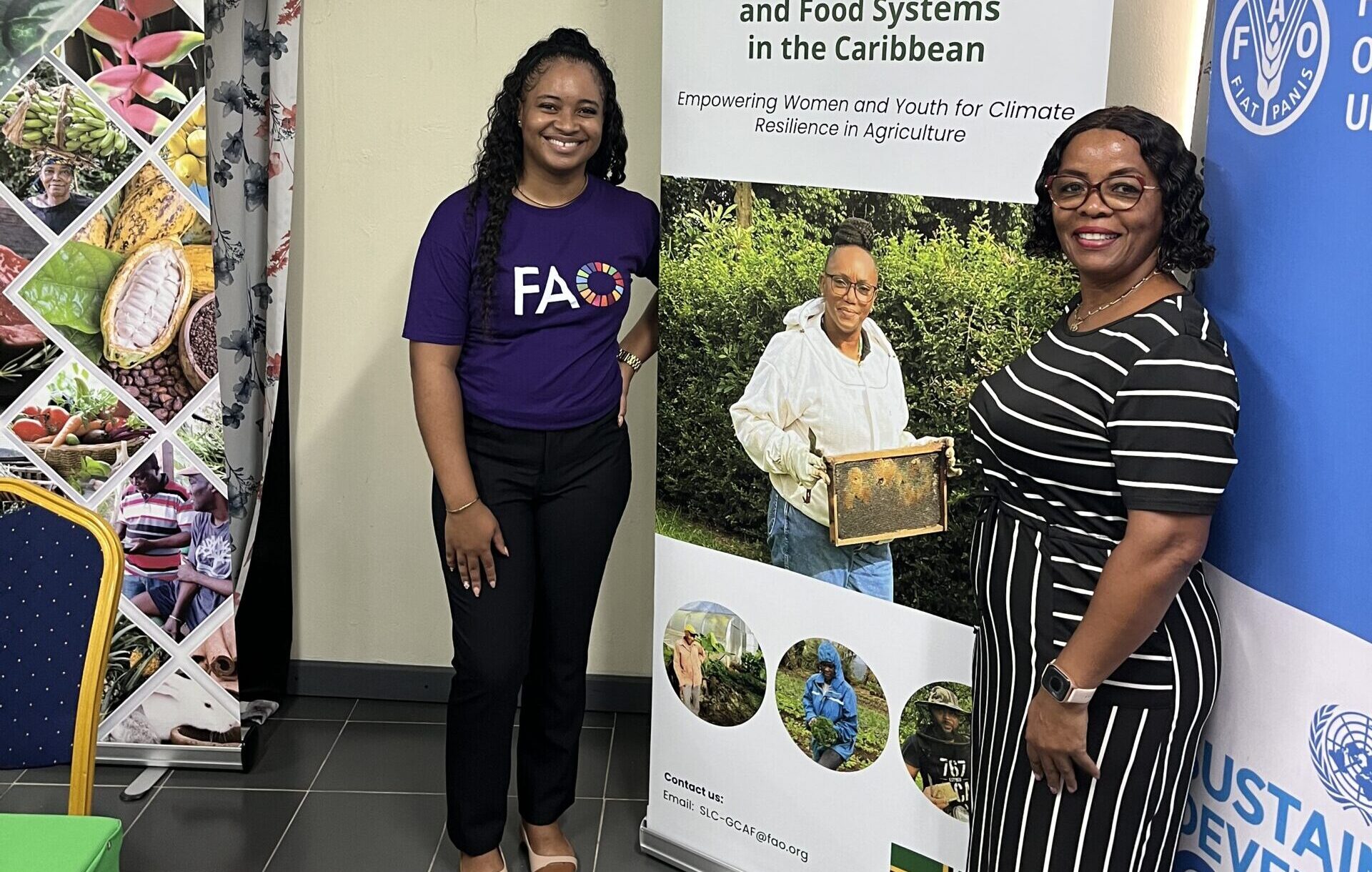
Dominica has taken significant strides in strengthening its agricultural sector through a comprehensive Food Safety and Hygiene Training Workshop held on January 28, 2026. The collaborative event, organized by the Ministry of Agriculture, Fisheries, Blue and Green Economy in partnership with the United Nations Food and Agriculture Organization (FAO) and the Environmental Health Unit, convened at the Prevost Cinemall to address critical food safety protocols.
The workshop formed an integral component of the Gender-Responsive Climate-Smart Agriculture and Food Systems (GCAF) Initiative, funded by Global Affairs Canada. Twelve participants representing diverse agricultural sectors including vegetable production, apiculture, and dasheen supply chains participated in the capacity-building program.
Under the guidance of Mrs. Calma Louis, Environmental Officer from the Environmental Health Unit, and with support from FAO specialists Mrs. Shan Oliver-Julien and Mrs. Amonia Paul-Rolle, the training focused on implementing enhanced food safety standards and hygiene practices. The curriculum combined practical hands-on instruction with strategic discussions about inclusive, gender-responsive approaches to agricultural development.
Participants acquired essential knowledge in proper food handling techniques, sanitation procedures, and compliance with national health regulations. This empowerment enables them to implement elevated standards within their operations, thereby contributing to more robust and secure food systems throughout Dominica.
The initiative demonstrates the sustained partnership between the Ministry of Agriculture, FAO, and the Environmental Health Unit to strengthen agricultural capabilities, protect public health, and promote climate-resilient farming practices. The GCAF Project continues to support farmers, producer groups, and value-chain stakeholders in adopting climate-smart methodologies, improving market readiness, and ensuring equitable participation across gender lines in vital agricultural sectors—ultimately fostering more sustainable food systems nationwide.