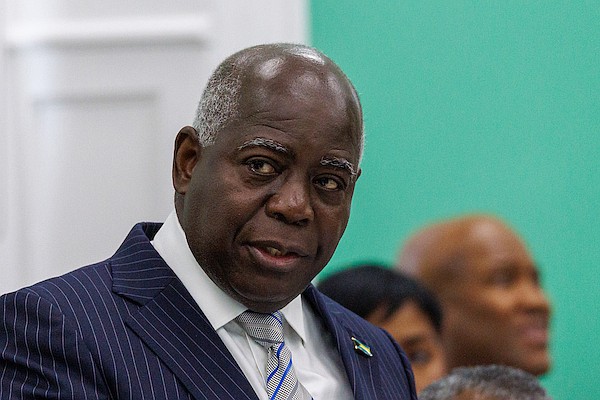
The Bahamian government has issued a robust response to the Grand Bahama Chamber of Commerce’s concerns regarding its proposed acquisition of the Grand Bahama Power Company, framing energy reform as an essential public necessity rather than a conventional business transaction. In an official statement from the Office of the Prime Minister, authorities expressed concern that the Chamber’s position could misrepresent both the purpose and critical urgency of the proposed reforms, potentially distorting public perception of what is at stake for Grand Bahama and the nation as a whole. The administration articulated that electricity constitutes fundamental national infrastructure that transcends mere commercial service, characterizing it as simultaneously a public safety imperative, a cost-of-living concern, and a crucial determinant of economic competitiveness. The government explicitly rejected the notion that reliability and affordability should be delayed until demand increases, asserting that reliable and affordable power serves as a prerequisite for investment and population growth rather than a reward for achieving these milestones. The statement challenged the Chamber’s reliance on economies of scale arguments, countering that the geographical reality of an archipelago nation precisely necessitates a coordinated national approach to prevent fragmented planning and isolated pricing from entrenching inequality and weakening national competitiveness. Officials dismissed claims that national rate structures are artificial, maintaining they represent deliberate governance choices to prevent deepening disparities between islands. Addressing concerns about potential taxpayer burden, the government emphasized that modern energy reform derives from engineering solutions and system design rather than ownership models, citing storm-hardened infrastructure, redundancy systems, automation, and disciplined capital planning as genuine determinants of reliability. Referencing recent success in New Providence, the statement highlighted the $130 million Foundational Grid Upgrade Project which has already demonstrated independently verified improvements including 45% reduction in outage frequency and 35% reduction in outage duration, with reliability on normal operating days improving by nearly 50%. The government revealed that broader reform initiatives through public-private partnerships have unlocked approximately $1 billion in investment commitments across the archipelago. While reaffirming openness to continued dialogue, the administration stressed that national discourse must not accept high electricity costs as inevitable, defer reform until demand increases, or treat equity across islands as optional.