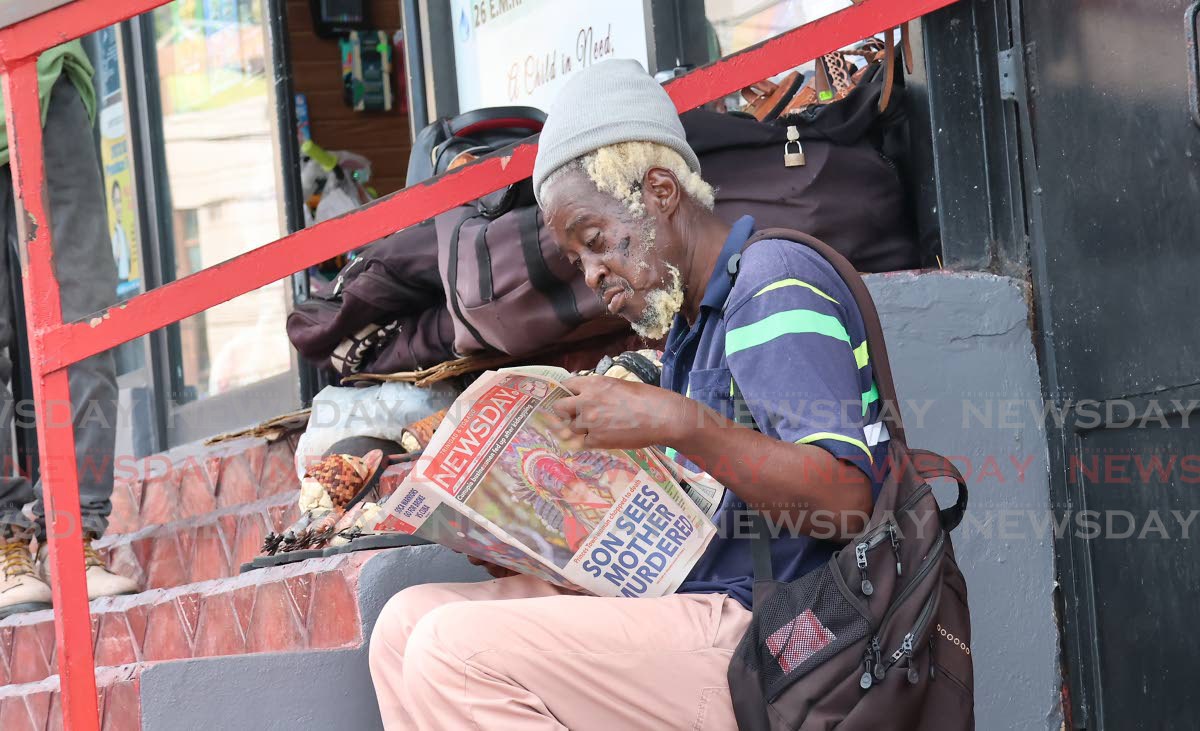
After nearly three decades of dedicated service, veteran journalist Jada Loutoo bids farewell to Newsday as the newspaper prepares to print its final edition. Her reflective account traces a remarkable journey that began in June 1996 when she joined the newsroom as a teenager, following in the footsteps of her journalist father whose typewriter and editorial wisdom shaped her early aspirations.
Loutoo’s career spanned significant technological transformations, from typewriters to computers, yet she emphasizes that the core mission of storytelling remained constant. She credits several mentors for her professional development, including former Sunday Editor Mr. Clevon Raphael, the late Lennox Forde, Horace Monsegue, and the ‘incomparable’ Editor-in-Chief Therese Mills, who shared invaluable lessons from her own journalistic experience.
The newsroom culture at Newsday was characterized by deep familial bonds, with colleagues spending more time together than with their own families. Loutoo fondly recalls colleagues like Lara (her daughter’s godmother), Veela, Sam, Gyasi, and many others who formed this journalistic family, including those in the pagination department and administrative staff like Sasha.
One particularly poignant memory involves working through the September 11 terror attacks while heavily pregnant, producing stories from television coverage when wire services failed. She worked until the day before giving birth, demonstrating the extraordinary commitment that defined her career—though this dedication sometimes meant missing family events and birthdays, a sacrifice noted by her mother who remained her ‘rock.’
Loutoo’s roles evolved significantly over the years, from reporter to assignments editor managing newsgathering operations, and eventually to Court Editor covering legal affairs. Throughout these transitions, she maintained the newspaper’s weekend and holiday operations, collaborating across departments.
She reflects on the philosophical guidance from newsroom leaders, including Mr. Babb’s insistence that ‘there is always a story to tell’ and Mrs. Mills’ perspective that journalism served a purpose similar to religious texts: to inform, teach, and bear witness. This ethos fueled ambitious projects like Rave magazine for young readers and even principled stands such as boycotting media awards.
As Newsday concludes its publication, Loutoo acknowledges that the newspaper leaves behind more than printed pages—it leaves a legacy of trust, meaningful stories, and the countless individuals who made it a family rather than merely a workplace.