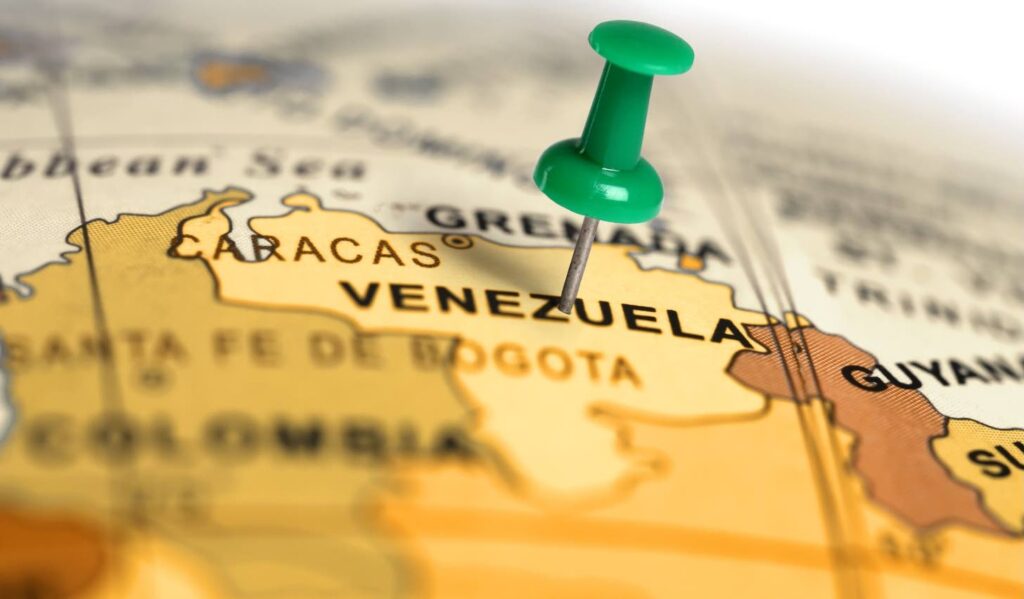
CARACAS, Venezuela — In a landmark legislative move signaling profound economic transformation, Venezuela’s National Assembly has approved sweeping reforms to its hydrocarbons sector, effectively ending decades of stringent state control over oil resources. The newly adopted bill, passed on Thursday, aligns directly with demands from the United States following the recent political upheaval that resulted in the ousting of former leader Nicolas Maduro.
The comprehensive legislative overhaul dismantles the long-standing requirement for foreign companies to form joint ventures with the state-owned Petróleos de Venezuela, S.A. (PDVSA), which previously mandated a majority stake for the national firm. Under the revised framework, private enterprises—including international oil majors—can now independently conduct exploration, extraction, and commercial activities.
Jorge Rodriguez, President of the National Assembly and brother of interim leader Delcy Rodriguez, characterized the reforms as a necessary step toward national recovery. “Only good things will come after the suffering,” he declared during the parliamentary session.
The legislative changes arrive amid severe production declines exacerbated by years of U.S. sanctions. Venezuela, home to the world’s largest proven oil reserves, has seen output plummet from over 3 million barrels per day in the early 2000s to approximately 1.2 million barrels daily. The revised royalty system aims to lure urgently needed foreign capital back into the crippled industry.
This policy shift paves the way for the return of U.S. energy corporations, scarcely a month after Washington’s intervention led to Maduro’s removal. U.S. President Donald Trump had previously warned Maduro’s successor, Delcy Rodriguez, of similar consequences unless American firms gained access to Venezuelan crude.
Despite the reforms, the country remains under a U.S. oil embargo imposed in 2019. However, recent U.S.-mediated sales of Venezuelan crude have already generated $300 million, with an additional $200 million held in an account controlled by U.S. authorities, indicating a gradual reintegration into global energy markets.