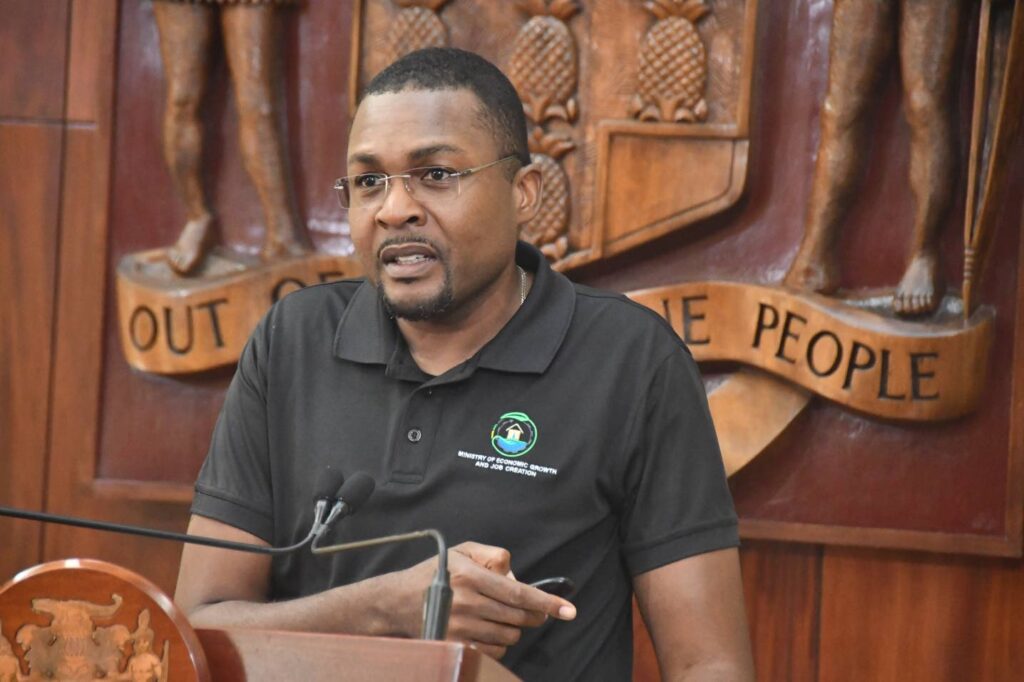
The Jamaican government has announced a significant acceleration of its landmark infrastructure initiative, the Shared Prosperity through Accelerated Improvement to our Road Network (SPARK) Programme. Robert Morgan, Minister with responsibility for Works, confirmed that construction work is expected to begin on 401 roads under the ambitious program by the conclusion of March.
During Wednesday’s post-Cabinet media briefing at Jamaica House, Minister Morgan provided a comprehensive update on the $45 billion national project designed to rehabilitate over 600 roads within a two-year timeframe. The minister revealed that approximately $4 billion has already been expended since work commenced in December 2024, with an additional $5.2 billion allocated for expenditure throughout this year.
The implementation timeline has faced substantial challenges due to Hurricane Melissa, which necessitated the postponement of numerous projects. In response to the natural disaster, primary contractor China Harbour Engineering Company (CHEC) was mobilized to assist in recovery and cleanup operations across affected regions.
Since resuming normal operations, CHEC has received instructions to initiate work on 132 additional roads by March, bringing the active total to 258 projects. Furthermore, instructions for commencing work on an additional 143 roads will be issued by month’s end, achieving the targeted 401 active projects.
Current progress indicates 84 roads are either completed or under active construction, with 56 already paved. Minister Morgan elaborated on the comprehensive design process required before physical work begins, emphasizing that most Jamaican roads historically evolved from community pathways without proper engineering design.
The SPARK Programme introduces rigorous design standards including soil testing, topographic analysis, hydrological assessment, and drainage installation. This methodological approach results in significantly higher construction standards with costs ranging between $40-45 million per kilometer, substantially exceeding traditional road expenditure of approximately $20 million per kilometer.
Project completion typically requires two to three months per road, though complex cases such as Harbour Heights in East Kingston and Port Royal required nearly a year due to unforeseen challenges including asbestos pipe replacement and retaining wall installations.
Despite these achievements, Minister Morgan expressed uncertainty regarding public recognition of these unprecedented infrastructure developments, noting that no previous administration has initiated 401 road projects within such a compressed timeframe. Further acceleration is anticipated during summer months when the main road component targeting 63 major highways nationwide commences operations.