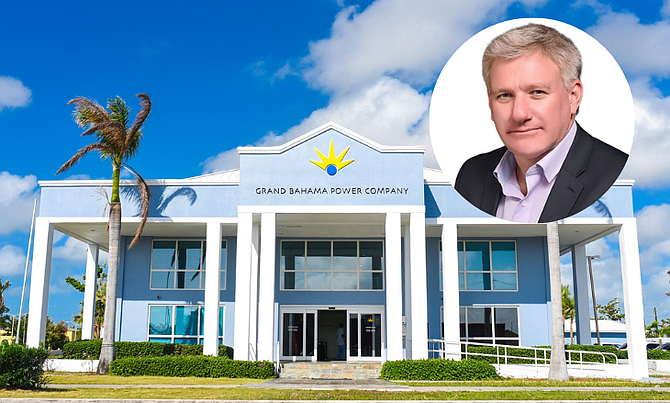
A significant divergence has emerged between Emera Incorporated and the Bahamian government regarding the status of negotiations for Grand Bahama Power Company. This follows Prime Minister Philip Davis’s public announcement that his administration had signed a Memorandum of Understanding (MoU) to acquire the utility provider, a statement that Emera’s leadership has promptly qualified.
In a company-wide communication dated January 27, Emera President and Chief Executive Dave McGregor explicitly stated that while discussions with the government are ‘active and productive,’ ‘there is no final agreement at this time.’ This declaration directly contrasts with the Prime Minister’s portrayal of a settled framework, expected to be finalized within 60 to 90 days.
McGregor expressed clear dissatisfaction with the manner of the disclosure, noting that learning of the potential acquisition ‘via a press conference from the Prime Minister is far from ideal for our valued employees.’ He emphasized that Emera’s overwhelming preference was to secure a completed transaction before any public announcement, but the government felt the news could not be delayed.
Despite the procedural friction, McGregor acknowledged shared ‘mutual goals’ with the government to ensure reliable and affordable electricity for the residents of Grand Bahama. He confirmed that the ongoing negotiations include a potential option for the government to purchase the utility outright.
In his letter, McGregor sought to reassure employees, urging them to prioritize safety and maintain focus amidst the ‘unnerving’ potential for an ownership change. He pledged to keep staff informed of any significant progress or final decisions.
This proposed acquisition is historically significant. Prime Minister Davis stated it would mark the first time the Bahamian government has taken control of Grand Bahama Power since the Hawksbill Creek Agreement was established in 1955. However, government officials have yet to disclose critical financial details, including the proposed purchase price, the financing structure, or whether the state intends to acquire full ownership or merely a controlling stake. Emera had previously consolidated its ownership of the utility by buying out minority shareholders.