WASHINGTON—President Donald Trump has ignited a fierce constitutional debate by declaring that individuals “can’t walk in with guns” at public protests, following the fatal shooting of a legally armed nurse by federal authorities in Minnesota. This position places the administration in direct conflict with its traditional gun rights allies, creating one of the most significant political challenges of Trump’s presidency.
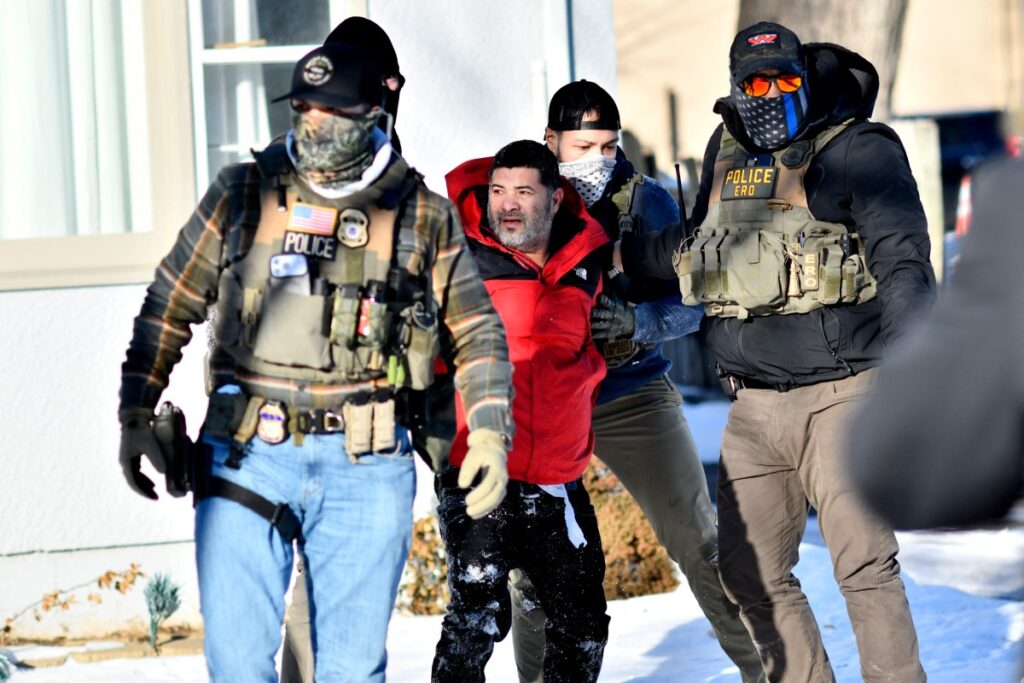
The controversy stems from the death of Alex Pretti, a 37-year-old intensive care nurse who was carrying a handgun legally when border agents subdued, disarmed, and killed him during a Minneapolis protest on Saturday. This incident occurred just days after immigration agents fatally shot unarmed activist Renee Good as she attempted to drive away from a demonstration.
Trump attempted to navigate the delicate situation by calling the shooting “a very unfortunate incident” while simultaneously maintaining that firearms have no place in protest settings. This stance has drawn immediate condemnation from powerful gun rights organizations, including the National Rifle Association, which labeled administration suggestions that Pretti’s legal firearm possession justified the shooting as “dangerous and wrong.”
Gun Owners of America reinforced the constitutional argument that Americans do not forfeit their Second Amendment rights when exercising their First Amendment right to peaceful assembly. The debate has exposed significant fractures within Trump’s political coalition, with libertarian-leaning Republicans like Kentucky Congressman Thomas Massie arguing that “carrying a firearm is not a death sentence.”
The administration itself displayed internal divisions, as Trump distanced himself from Deputy Chief of Staff Stephen Miller’s baseless characterization of Pretti as an “assassin,” while still supporting the broader premise that armed protesters inherently threaten law enforcement.
This position has revived accusations of hypocrisy from Trump critics, who note the stark contrast with the administration’s defense of armed conservatives like Kyle Rittenhouse, acquitted after killing two people with an AR-15 rifle at a 2020 protest. Further damaging testimony emerged from the January 6th committee, revealing Trump knew some supporters at his rally were armed but demanded reduced security checks before urging them to march on the Capitol.
The escalating controversy has sharpened Democratic attacks and created unease within Trump’s base, potentially threatening one of his most reliable political alliances as the nation grapples with balancing gun rights and public safety.