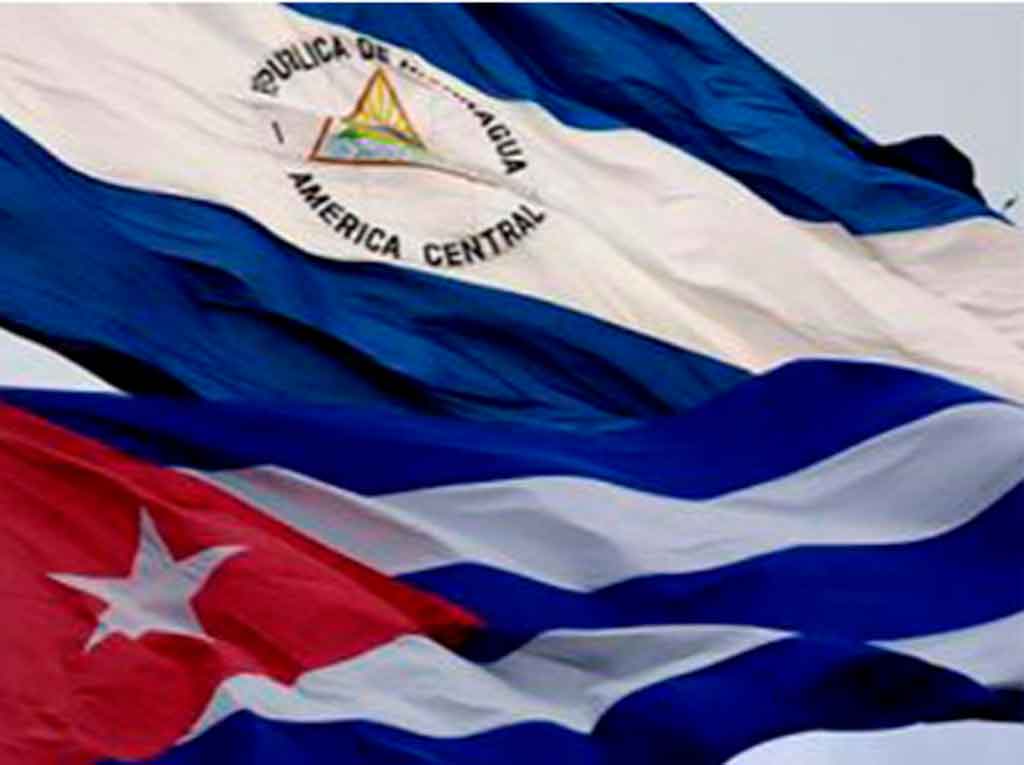
The Cuban community residing in Nicaragua has issued a powerful declaration of solidarity with Venezuela, condemning what it describes as systematic aggression and destabilization campaigns targeting the Bolivarian nation’s sovereignty. The statement, disseminated through official social media channels, emerges amid heightened geopolitical tensions in Latin America.
This proclamation strategically coincides with the 173rd anniversary of Cuban national hero José Martí’s birth, observed annually on January 28th. The timing underscores the deliberate invocation of Martí’s philosophical legacy, particularly his advocacy for Latin American unity and resistance against external intervention.
The comprehensive statement articulates three primary concerns: the employment of unilateral coercive measures against Venezuela, coordinated disinformation campaigns designed to undermine democratic processes, and systematic attacks on the nation’s right to self-determination. These elements, according to the declaration, represent a concerted effort to disrupt regional stability.
Drawing direct parallels between historical anti-colonial struggles and contemporary political challenges, the Cuban community in Nicaragua emphasized the enduring relevance of Martí’s vision. The statement characterized current events as a continuation of historical patterns of foreign intervention in Latin American affairs, necessitating renewed commitment to regional integration and mutual defense of sovereignty.
Furthermore, the declaration reaffirmed Nicaragua’s alignment with Venezuela through the framework of regional cooperation alliances, highlighting existing bilateral agreements and diplomatic coordination mechanisms between left-leaning governments in the region.
The statement concludes with an impassioned call for strengthened brotherhood between Cuban and Venezuelan peoples, framing this solidarity as both a moral imperative and strategic necessity in confronting perceived external pressures. This diplomatic communication represents the latest development in ongoing ideological alignment among certain Latin American nations advocating for reduced U.S. influence in the region.