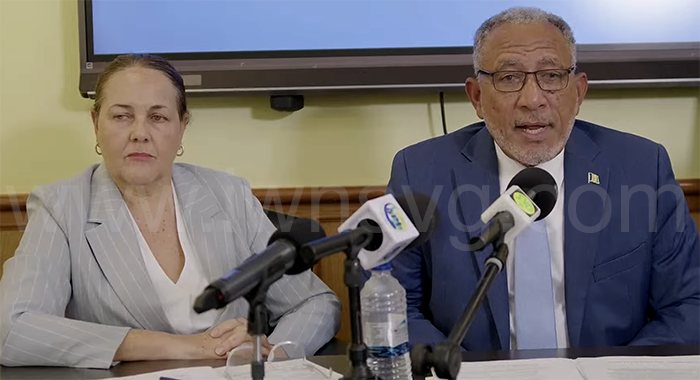
Prime Minister Godwin Friday has condemned as “unacceptable” the bureaucratic obstacles facing public servants seeking reinstatement after being dismissed under the previous administration’s COVID-19 vaccine mandate. The criticism comes as the January 31, 2026 deadline for reinstatement approaches under the New Democratic Party (NDP) government’s policy.
Attorney General Louise Mitchell revealed that 116 workers terminated under the Unity Labour Party’s 2021 vaccine requirement had not returned to work by December 2025. Of these, 100 have now resumed duties, with the government successfully placing 92 individuals in positions. However, union reports indicate some returning employees faced rejection at their previous workplaces, with officials claiming unavailable positions.
The NDP administration maintains it is implementing the March 2023 High Court decision by Justice Esco Henry, which declared the vaccine mandate unconstitutional and ordered reinstatement with full benefits. This stance persists despite the Court of Appeal’s subsequent 2-1 majority decision overturning the ruling. The legal battle has now advanced to London’s Privy Council for final adjudication.
Mitchell emphasized the government’s commitment to ensuring respectful treatment of affected workers, stating: “The policy is for persons to return to work fully with their benefits intact. Everyone in a position that affects implementation must adhere to that.” She detailed comprehensive reinstatement protocols covering vacation leave accrual, pension eligibility, and special considerations for those employed elsewhere.
Prime Minister Friday affirmed his government’s principled position, noting: “It wasn’t just a matter for the leadership of the party and now the leadership of the government. We felt this was a right and just thing to do.” While acknowledging implementation challenges, he expressed overall satisfaction with the reinstatement process’s progress.
The government has established mechanisms for workers seeking exceptions to standard reinstatement procedures, including no-pay leave options for those with current employment obligations and streamlined processes for retirement-age employees.