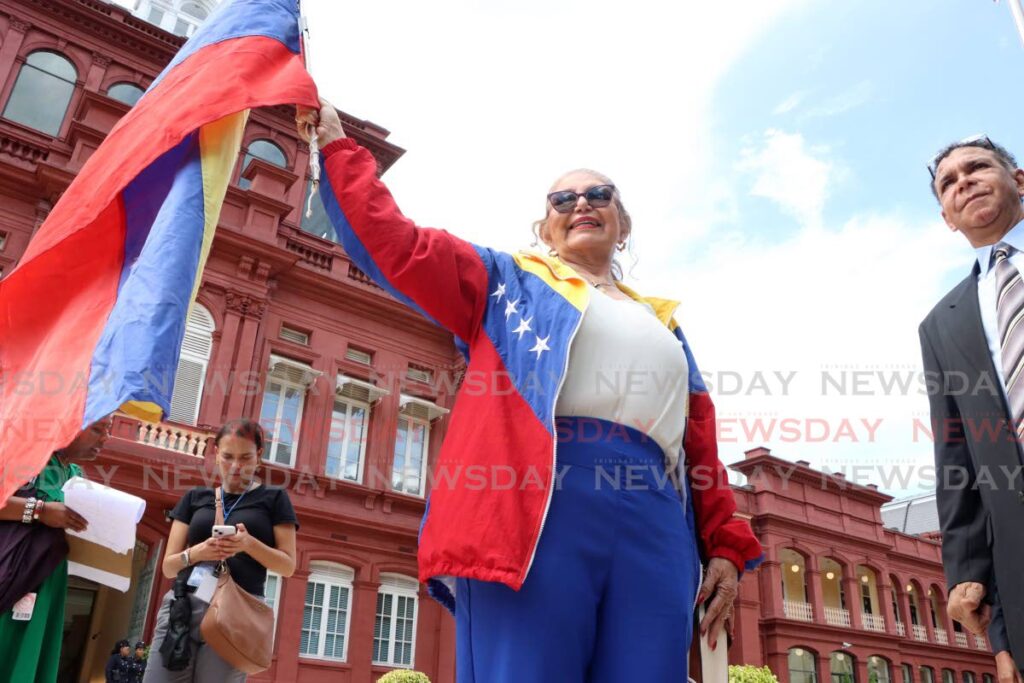
Trinidad and Tobago’s abrupt acceleration of its migrant registration initiative has generated waves of apprehension within immigrant communities, prompting urgent clarifications from human rights advocates. Venezuelan activist Yesenia Gonzalez has stepped forward to reframe the narrative, characterizing the program not as a governmental trap but as a crucial temporary regularization opportunity.
The Ministry of Homeland Security’s January 23 announcement advanced the registration timeline by four days, with proceedings now commencing January 26 at four major sporting venues: Hasely Crawford Stadium in Port of Spain, Larry Gomes Stadium in Arima, Ato Boldon Stadium in Couva, and Dwight Yorke Stadium in Tobago. The expedited timeline triggered widespread confusion regarding eligibility criteria, nationality considerations, financial obligations, and potential legal consequences for irregular entry.
Gonzalez of the Themis Foundation of the Americas provided critical legal interpretation, explaining that while the measure avoids the formal terminology of ‘amnesty,’ it functionally operates as a temporary regularization program. The initiative temporarily suspends immigration penalties, allowing undocumented migrants to obtain official documentation and work legally until December 31 upon payment of a $700 registration fee. Crucially, she emphasized that eligibility extends beyond Venezuelans to include all foreign nationals without valid immigration status, provided they lack serious criminal convictions and don’t pose public safety risks.
Andreina Ventura-Brown of La Casita Hispanic Cultural Centre reinforced this perspective, characterizing the registration as a transformative legal pathway that enables migrants to transition from precarious legal situations into protected status. The program represents an unprecedented opportunity for meaningful inclusion in Trinidad and Tobago’s social and economic fabric, allowing registered migrants to access services, education, and employment without fear of deportation.