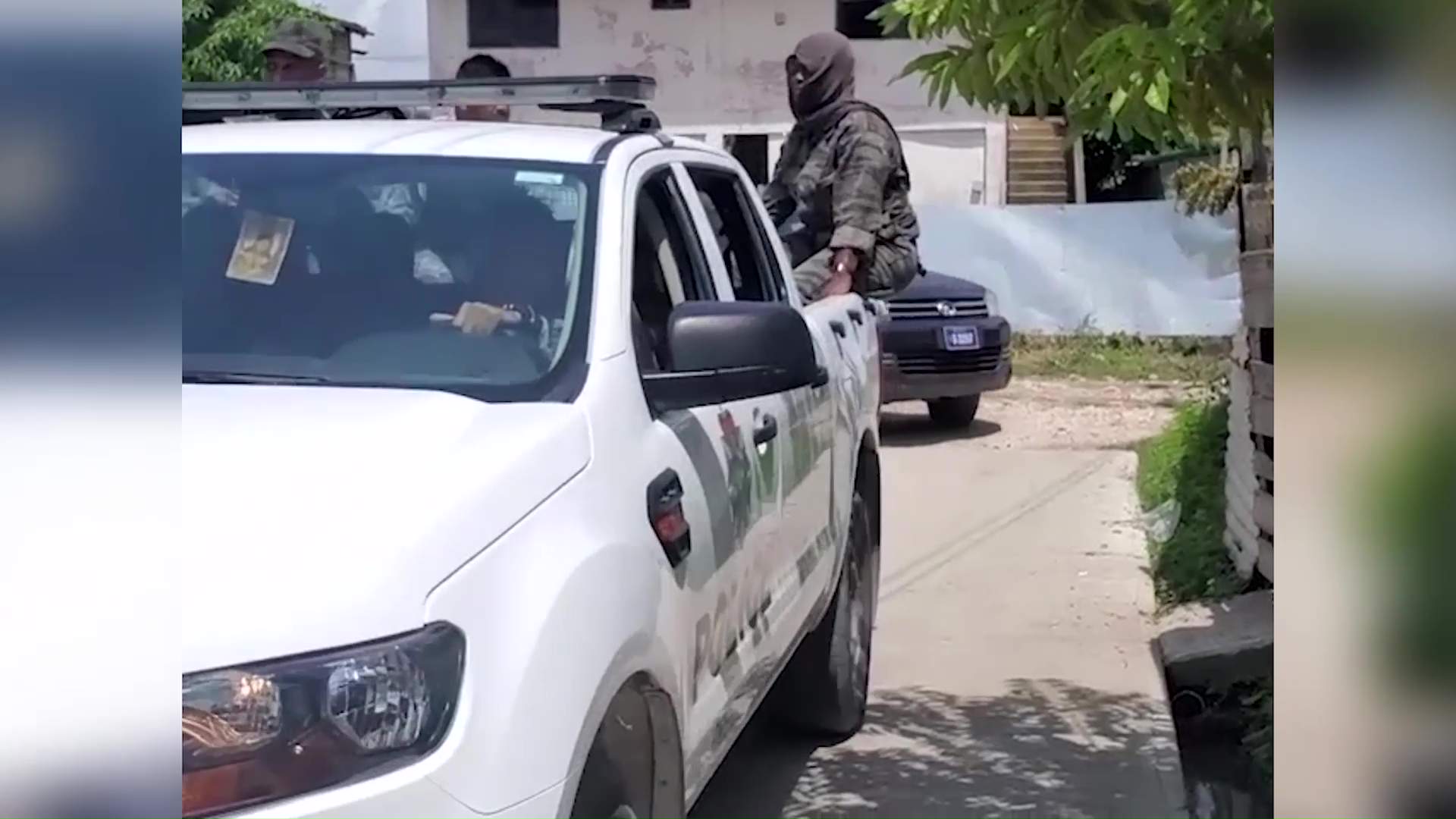
A significant controversy has emerged in Belize City regarding the enforcement of national gang legislation, with young residents from economically disadvantaged neighborhoods claiming systematic targeting by law enforcement. These individuals assert that police are repeatedly charging them with gang affiliations based primarily on their residential locations or social associations rather than concrete evidence, raising serious concerns about racial profiling and due process violations.
Former Minister of Home Affairs Kareem Musa has publicly defended police procedures, emphasizing that all detentions undergo rigorous investigative processes. Musa clarified that officers utilize multiple evidence sources including social media analysis, photographic evidence, and community intelligence before filing charges. He specifically addressed concerns about repeated charges against previously convicted individuals, explaining that new prosecutions require entirely new evidence gathered after conviction dates.
The ongoing dispute highlights fundamental tensions between crime prevention and civil liberties in Belize. Community advocates argue that geographic and social profiling creates a cycle of repeated charges that undermines rehabilitation efforts. Meanwhile, authorities maintain that their procedures follow legal standards and are necessary for combating gang violence that disproportionately affects vulnerable communities. This situation continues to evolve as both sides present contrasting perspectives on justice system operations in Belize’s urban centers.