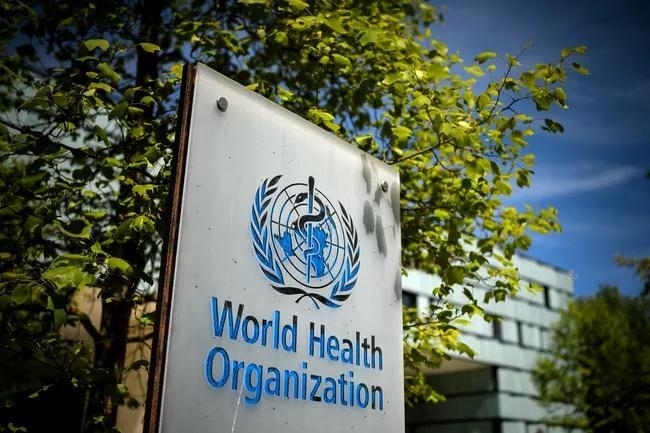
The United States has officially completed its withdrawal from the World Health Organization (WHO), marking a significant shift in global health diplomacy. The departure, initiated through an executive order signed by President Donald Trump on January 20, 2025, follows a required one-year notice period but leaves approximately $133 million in outstanding financial obligations unpaid.
According to United Nations officials speaking at a New York briefing, the withdrawal may not have fully met all procedural conditions. A Deputy Spokesperson for the UN Secretary-General noted that the WHO has not yet confirmed fulfillment of all requirements, specifically highlighting the settlement of outstanding financial obligations as a key condition that remains unresolved.
The Trump administration’s decision to withdraw stemmed from multiple criticisms of the WHO, including allegations of mishandling the COVID-19 pandemic, failure to implement necessary reforms, and susceptibility to political influence from member states. The administration also criticized the organization’s funding structure, arguing that the U.S. contributed disproportionately compared to other nations, specifically noting China’s significantly lower contributions despite its larger population.
Health experts worldwide have expressed concern about the implications of the U.S. departure, warning that it could weaken global disease surveillance and response capabilities, particularly in managing future pandemics. The United States had been one of the WHO’s largest contributors, providing over $600 million annually through assessed dues and voluntary contributions.
The withdrawal represents part of a broader policy shift by the Trump administration away from international organizations perceived as not aligning with U.S. interests. Questions now emerge about how the United States will participate in global health coordination efforts moving forward, as the WHO remains the primary international body for disease prevention and response coordination.