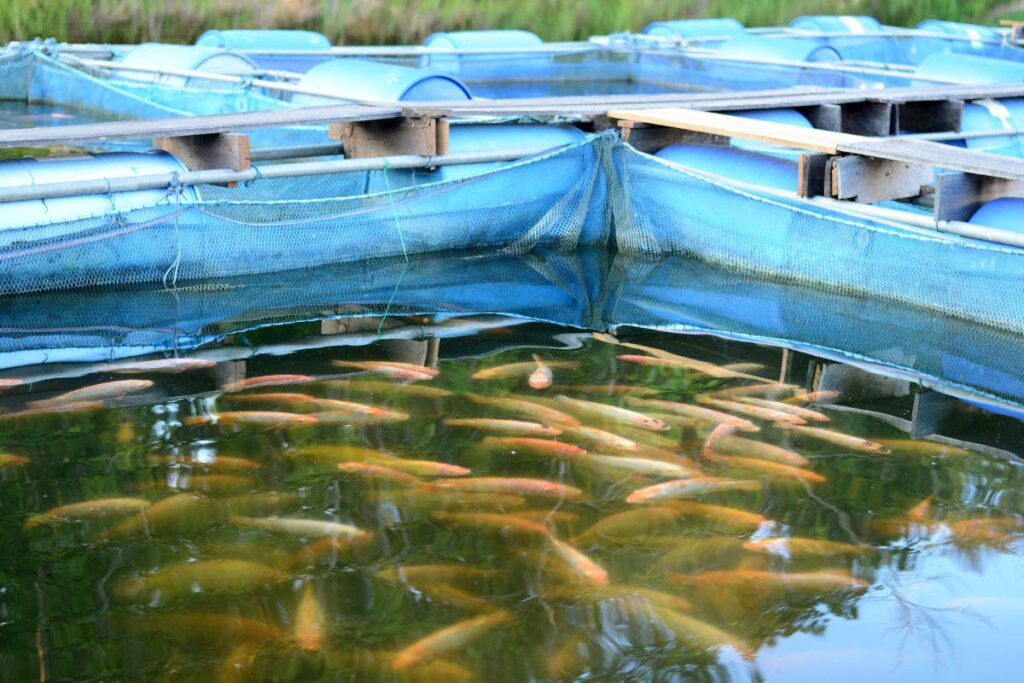
KINGSTON, Jamaica — Jamaica’s tilapia farming sector is positioned for a dramatic recovery that could eclipse its all-time production records, according to National Fisheries Authority (NFA) CEO Dr. Gavin Bellamy. Despite current output standing at approximately 900 metric tons—a significant drop from the industry’s peak of 7,000 metric tons achieved in 2007—Bellamy asserts that the foundational elements for resurgence are firmly in place.
Speaking with JIS News following the National Tilapia Farmers’ Consultation opening ceremony at Caymanas Golf and Polo Resort in St. Catherine, Bellamy outlined the comprehensive assets supporting this optimistic outlook. “Currently in Jamaica, we possess the capability, the pond infrastructure, the technical expertise, and the operational capacity to exceed that 7,000 metric ton benchmark through collaborative effort,” Bellamy stated, emphasizing the necessity of unified support from government bodies, the NFA, agricultural producers, and industry stakeholders.
The CEO attributed the previous production decline to the dissolution of a robust public-private partnership model that previously propelled the industry. This system, orchestrated by a major corporate entity, provided satellite farms with critical resources including juvenile fish (fry) and feeding supplies, enabling farmers to concentrate on growth and harvesting operations. “When that structure dissolved, individual operators were forced to assume additional responsibilities, leading many to exit the business entirely,” Bellamy explained.
Despite these challenges, Bellamy reported encouraging signs of renewal with new farmers entering the sector. The NFA, in coordination with the Ministry of Agriculture, Fisheries and Mining, has identified strategic pathways to rebuild tilapia stocks and ultimately surpass previous production records. Key initiatives include expanding fry production capabilities, improving animal husbandry practices, enhancing water access in specific regions, and conducting extensive extension services to support business and management development among farming operations.
Additionally, Bellamy highlighted the NFA’s development of a comprehensive marketing strategy designed to ensure farmers receive adequate financial returns on their investments. The recent consultation forum served as a critical platform for identifying precise resource requirements and support mechanisms necessary to not only match but exceed the industry’s historical production achievements.