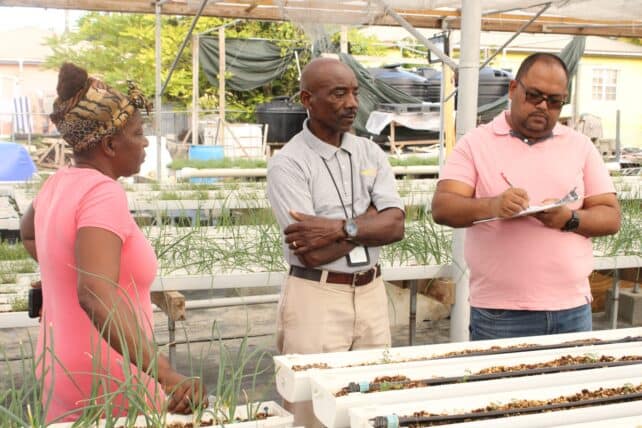
The Food and Agriculture Organization of the United Nations (FAO) is spearheading a strategic initiative to bolster agricultural resilience in Antigua and Barbuda through protected farming systems. This program focuses on empowering local farmers by providing critical analytical tools to evaluate investment viability and operational readiness for controlled-environment agriculture ventures.
Central to this initiative is a comprehensive methodology enabling agricultural stakeholders to conduct thorough cost-benefit analyses of protected farming infrastructure. The program assesses multiple dimensions including technological adaptation, financial sustainability, and climate resilience capabilities. Through technical workshops and field assessments, FAO experts are guiding farmers in evaluating infrastructure requirements, operational costs, and potential market returns for greenhouse and other protected cultivation systems.
The intervention addresses Antigua and Barbuda’s specific agricultural challenges, particularly those exacerbated by climate vulnerabilities and import dependency. By facilitating transition to protected agriculture, the project aims to enhance domestic food production capacity, reduce economic losses from extreme weather events, and create sustainable livelihood opportunities within the agricultural sector.
This capacity-building effort represents a significant component of broader Caribbean agricultural modernization initiatives, demonstrating how targeted technical assistance can strengthen food security in small island developing states. The program’s implementation methodology could serve as a replicable model for other nations facing similar agricultural challenges in climate-vulnerable regions.