Prime Minister Philip J. Pierre has issued a compelling appeal to Saint Lucian citizens, urging widespread adoption of water harvesting practices as an immediate countermeasure to the nation’s escalating water crisis. This call to action comes alongside a sobering assessment of the Water and Sewerage Company (WASCO), which requires an estimated $200 million investment for comprehensive rehabilitation.
During a pre-cabinet briefing, the Prime Minister characterized the substantial financial outlay as an unavoidable necessity given the magnitude of infrastructural challenges plaguing the national water system. He emphasized that restoring WASCO’s operational capacity represents a long-term endeavor that cannot be resolved immediately. “We need, possibly about $200 million to get WASCO back on its feet. That’s reality,” Pierre stated, acknowledging the significant financial burden involved in modernizing the country’s water infrastructure.
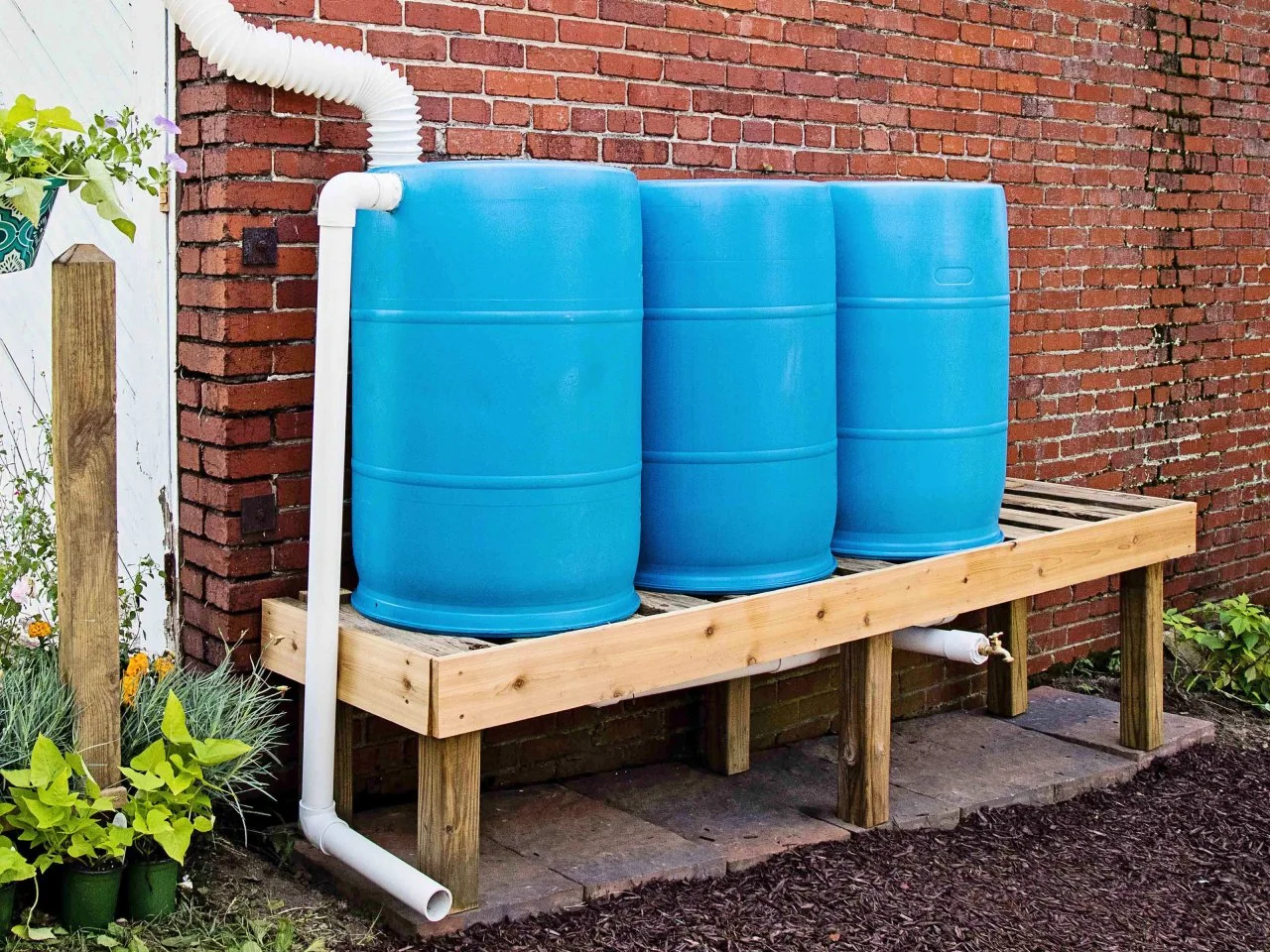
The government is implementing concrete measures to facilitate this hydrological transition, having already eliminated import taxes on essential water harvesting equipment including pumps and storage tanks. Further fiscal incentives targeting gutter systems are under consideration to reduce implementation costs for homeowners.
Pierre drew a critical distinction between passive water storage and active rainwater harvesting, noting that current building regulations requiring water storage facilities insufficiently address the nation’s water security needs. He advocated for a fundamental shift in public mindset regarding rainwater utilization, sharing from personal experience that “most of the water I have in my house is harvested water from the roof.”
The Prime Minister contextualized Saint Lucia’s water challenges within global climate patterns, observing that increasingly arid conditions worldwide necessitate adaptive water management strategies. He recommended practical applications for harvested water including toilet flushing and vehicle washing, encouraging citizens to immediately assess their homes’ rainwater collection potential.
While government efforts to rehabilitate WASCO continue, Pierre underscored that individual and community initiatives must complement institutional reforms. “WASCO will not be repaired tomorrow,” he cautioned, stressing that collective action and personal responsibility remain indispensable in navigating the country’s water security challenges.