Across the Caribbean nation of Dominica, a transformative shift is underway as young professionals embrace agricultural entrepreneurship through innovative approaches to beekeeping and agro-processing. This movement represents a fundamental reimagining of traditional farming—not as a fallback occupation but as a strategically viable career path combining environmental stewardship with economic opportunity.
Supported by developmental initiatives from the International Organization for Migration (IOM), this agricultural renaissance empowers both young residents and returning citizens to establish sustainable livelihoods rooted in local resources. Beekeeping has emerged as a particularly attractive venture, offering flexible management requirements that accommodate full-time employment while generating supplemental income.
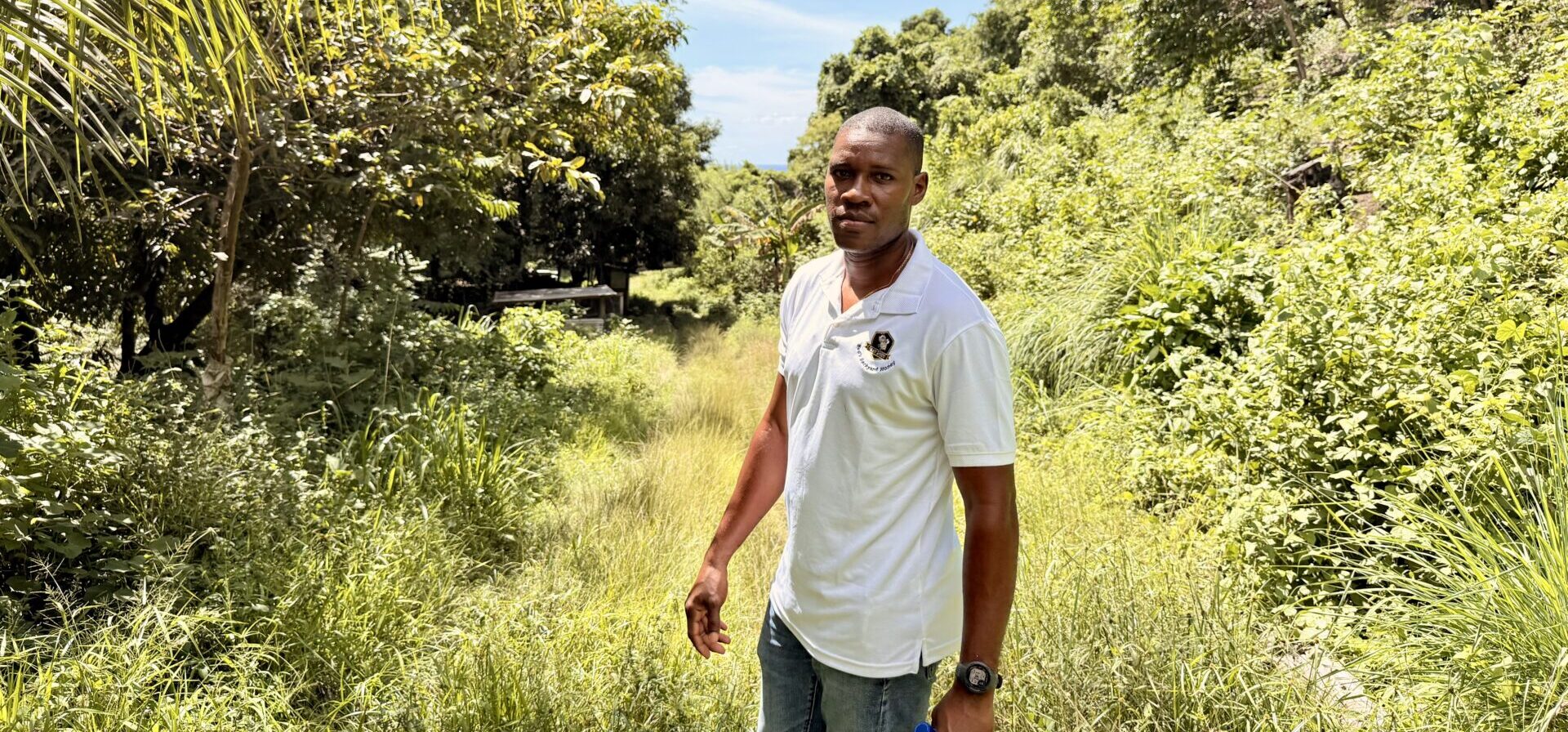
Shem Jacob exemplifies this new generation of agricultural entrepreneurs. Balancing his profession as a police officer with ownership of Bud’s Backyard Honey, Jacob launched his apiculture enterprise in 2020 after identifying honey production as an ideal complementary business. “The appeal lies in honey’s non-perishable nature and the bees’ minimal daily maintenance requirements,” Jacob explains. “This flexibility allows me to maintain career stability while building a sustainable business.”
His operation now produces pure honey and beeswax distributed through local markets and direct sales. Beyond financial benefits, Jacob describes beekeeping as a profoundly grounding experience that connects practitioners to natural systems. “It demonstrates what small creatures can accomplish collectively,” he notes, referencing the hundreds of bees required to produce a single bottle of honey.
The ecological significance extends far beyond honey production. Bees serve as crucial pollinators for key Dominican crops including cucumbers, peppers, watermelon, coconuts, and citrus fruits. Enhanced bee populations directly contribute to improved agricultural yields, strengthened food security, and increased climate resilience—aligning with national sustainable development objectives.
Through his position on the board of the Dominica Beekeepers Cooperative Society Ltd., Jacob facilitates training programs and knowledge exchange among island beekeepers. The cooperative additionally connects members with regional opportunities, exposing young agriculturalists to Caribbean-wide best practices.
“Market saturation isn’t a concern,” Jacob emphasizes. “There’s consistent demand for honey and its byproducts, and we urgently need more beekeepers.” His message to youth underscores agriculture’s dual role in personal income generation and national development: “You’re not only profiting individually but supporting farmers and building the country.”
IOM recognizes these initiatives as demonstrating how youth engagement in sustainable agriculture advances broader developmental goals—creating dignified employment, enhancing food systems, protecting ecosystems, and fostering community resilience. Dominica’s investment in green livelihoods signals a future where economic advancement and environmental conservation progress synergistically, with young innovators leading this transformative change through modernized approaches to traditional practices.