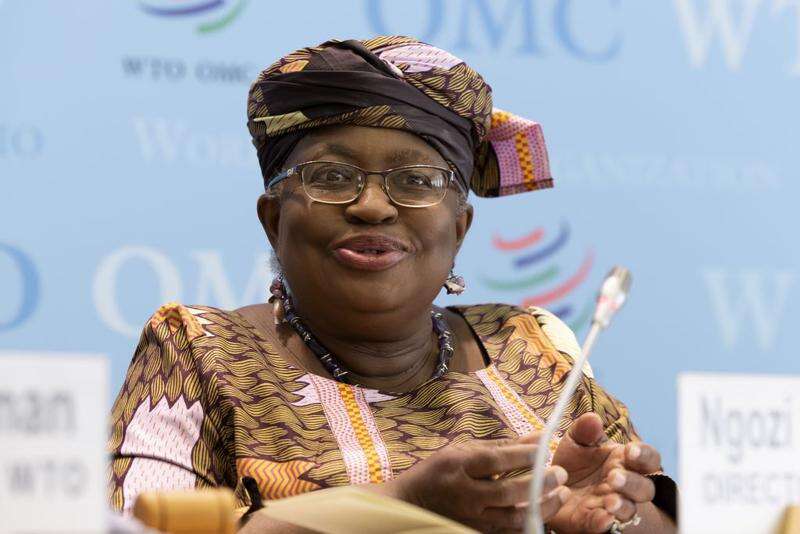
DAVOS, Switzerland — In a significant address at the World Economic Forum, WTO Director-General Ngozi Okonjo-Iweala issued a stern warning about the escalating global trend toward protectionist trade policies. While acknowledging that approximately 72% of international commerce still operates under established WTO frameworks, she expressed deep concern about recent deviations from multilateral trade principles.
The former Nigerian finance minister highlighted the complex challenges facing global trade governance, particularly regarding how nations justify protectionist measures under the guise of national security interests. “In this environment we have now, where certain countries feel ‘we need to fight for our national interests’, how do we proceed?” she questioned during a panel discussion. “What are the measures that are legitimate, and which are not? And if it’s national security, who determines your national security? What are the guardrails?”
Her comments came amid renewed protectionist actions from the United States, where President Donald Trump has implemented multiple tariff measures since returning to office one year ago. These actions, aimed at addressing trade imbalances and promoting domestic reindustrialization, represent a broader pattern of countries increasingly prioritizing national interests over multilateral cooperation.
Okonjo-Iweala emphasized the critical need for WTO reform, particularly regarding its decision-making processes. The organization currently operates on a consensus basis among its 166 member states, a system she described as ineffective. “The way we make decisions — it’s not working,” she stated bluntly, calling for greater “nimbleness” in addressing contemporary trade challenges.
These issues will take center stage at the upcoming WTO Ministerial Conference in Cameroon (March 26-29), where institutional reform and the tension between national sovereignty and international trade rules will dominate discussions. The organization faces mounting pressure to adapt its governance structures as countries including India and the United States continue to block progress on various negotiations.