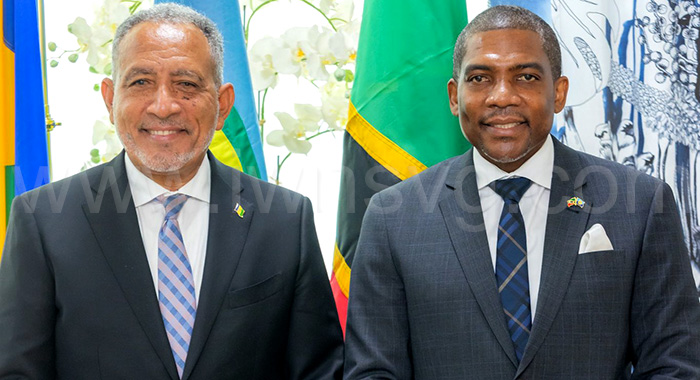
In a significant diplomatic engagement, Prime Ministers Godwin Friday of St. Vincent and the Grenadines and Terrance Drew of St. Kitts and Nevis convened productive talks in Argyle this Tuesday. The high-level discussion included CARICOM Secretary-General Carla Barnett and other officials, marking a pivotal moment ahead of next month’s CARICOM heads of government conference in Basseterre.
Prime Minister Friday, who chairs the eight-member Organisation of Eastern Caribbean States (OECS), characterized the meeting as exceptionally fruitful, noting the dialogue extended for a considerable duration without a predetermined agenda. This approach allowed leaders to address pressing regional concerns organically, with particular emphasis on challenges specific to St. Vincent and the Grenadines and their integration into the broader regional agenda.
The Vincentian leader emphasized that collective action remains fundamental to addressing the region’s most pressing issues. The discussions comprehensively covered practical, bread-and-butter matters directly affecting citizens’ daily lives. Prime Minister Friday, elected in November, stressed that regional institutions must demonstrate tangible benefits by putting “money in people’s pockets” and enhancing regional security.
Both leaders affirmed their commitment to regional integration despite acknowledged challenges. Prime Minister Friday characterized obstacles as mere “speed bumps” that slow progress but cannot halt advancement. The leaders expressed shared determination to strengthen economic integration, improve policy coordination, and foster mutual support among member states.
Prime Minister Drew, separately addressing reporters, revealed the talks encompassed health, trade, business, movement of people, and geopolitics. The St. Kitts and Nevis leader, who chairs the 15-member CARICOM bloc, articulated his steadfast belief in the regional movement, acknowledging challenges while highlighting indispensable benefits. He cited CARICOM agencies including the disaster response organization CDEMA, examination council CXC, and regional security entity RSS as institutions that individually member states could not sustain.
Drew announced plans to continue consultations with regional heads of government ahead of February’s historic 50th CARICOM meeting, emphasizing that small states must collaborate closely to achieve optimal outcomes. Both leaders expressed confidence that with demonstrated goodwill and clear benefits for citizens, the region would overcome current challenges through strengthened cooperation and unity.