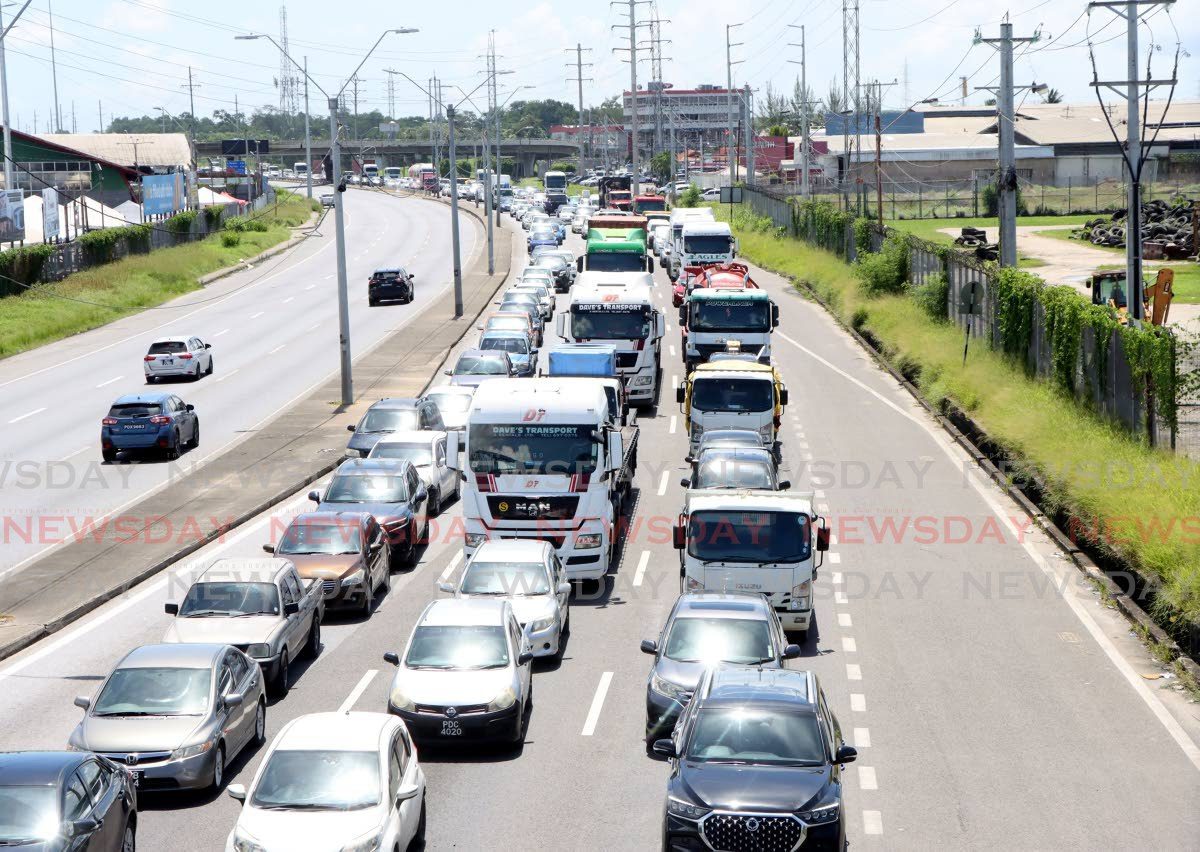
Dr. Stephen Ramroop, former CEO of Trinidad and Tobago’s Office of Disaster Preparedness and Management (ODPM), has issued a stark warning regarding the nation’s preparedness for major disasters. In a recent editorial, Ramroop contends that the country remains critically unprepared for significant hazard impacts, despite observable warning signs demonstrated through recent traffic crises.
The assessment follows severe traffic incidents on September 8 that paralyzed the Beetham Highway, creating cascading consequences throughout the transportation network. Commuters endured excessive delays exceeding six hours, resulting in missed medical appointments for critical conditions including cancer treatments and post-operative care, numerous missed flights, and widespread physical discomfort among stranded travelers.
Ramroop emphasizes that these incidents serve as measurable indicators within disaster risk management assessment frameworks. He poses a compelling hypothetical: had an earthquake struck during similar peak traffic periods, the consequences would have extended beyond a single highway to affect multiple transportation arteries simultaneously.
The former disaster management executive identifies fundamental deficiencies in the national response framework, noting insufficient coordination between multiple sectors including transport, homeland security, infrastructure, defense, and local government. He specifically calls for revitalization of the National Operations Centre (NOC) beyond its current crime-fighting mandate to encompass comprehensive emergency management.
Ramroop proposes integrated technological solutions including automated smart roadblocks with sensor connectivity, unified automatic number plate recognition systems, AI-driven traffic analytics capable of predicting congestion patterns, and drone surveillance for real-time situational awareness. Operational improvements recommended include dynamic lane control systems, queue warning mechanisms, variable speed limits, and enhanced communication protocols utilizing V2X technology.
Additionally, he advocates for improved crisis communication strategies incorporating social media alerts, alternative route recommendations, and welfare assistance programs for stranded motorists requiring essential supplies such as water, food, and medication.
The commentary concludes with an urgent recommendation to reconfigure the NOC to include ODPM and other agencies operational during the 2012-2015 period, emphasizing that comprehensive disaster readiness requires multi-sectoral coordination rather than isolated police responsibility.