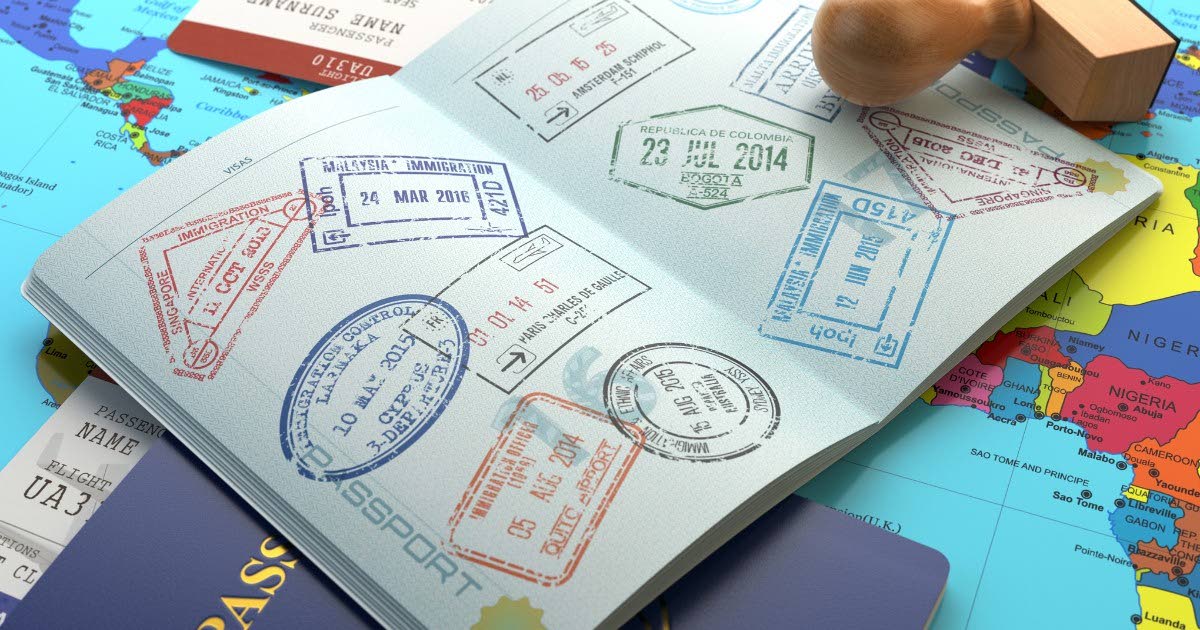
In an era of rapidly shifting global dynamics, Caribbean nations are confronting a fundamental transformation in how they perceive travel documentation. What was once considered mere paperwork for occasional journeys has evolved into critical instruments of global access and economic resilience.
The geopolitical landscape has undergone profound changes, with borders tightening, immigration policies becoming increasingly selective, and international relations growing more complex. Small island developing states like Trinidad and Tobago find themselves particularly vulnerable to these shifts, often experiencing the downstream effects of decisions made thousands of miles away.
Recent developments underscore this new reality. Throughout 2025, significant policy changes emerged: the United States increased visa application fees, suspended immigrant visa processing for 75 countries, and most notably for Trinidad and Tobago, the United Kingdom implemented new visa restrictions. These moves represent more than bureaucratic adjustments—they signal a fundamental restructuring of global mobility access.
Modern passports and visas now function as keys to multiple dimensions of international participation:
Financial System Access: Certain visas unlock banking relationships and financial infrastructure. The US B1/B2 visa, for instance, enables professionals to establish non-resident bank accounts requiring physical presence verification. Estonia’s innovative e-Residency program allows entrepreneurs to register EU-based companies and access fintech platforms remotely.
Global Connectivity: Transit and multi-entry visas maintain crucial connections through major international hubs. These documents facilitate movement to educational opportunities, medical care, business conferences, and cultural exchanges that would otherwise become prohibitively expensive or inaccessible.
Talent Mobility: Nations worldwide are actively competing for skilled professionals through specialized visa programs. Technology experts, healthcare workers, engineers, and creative professionals now have pathways to global engagement that don’t necessarily require permanent relocation.
Lifestyle Flexibility: Long-term residency options are emerging across Asia, Europe, and Latin America, offering individuals and families alternatives beyond traditional employment-based migration.
This paradigm shift demands a strategic reevaluation from Caribbean citizens and policymakers alike. Rather than viewing travel documents as symbols of migration, they should be understood as tools for risk diversification and opportunity access. In an increasingly volatile global environment, multiple access points create resilience against economic shocks, political instability, and sudden policy changes.
The contemporary approach to international documentation isn’t about abandonment of home countries, but about building adaptive capacity for individuals, families, and businesses operating in an interconnected world.