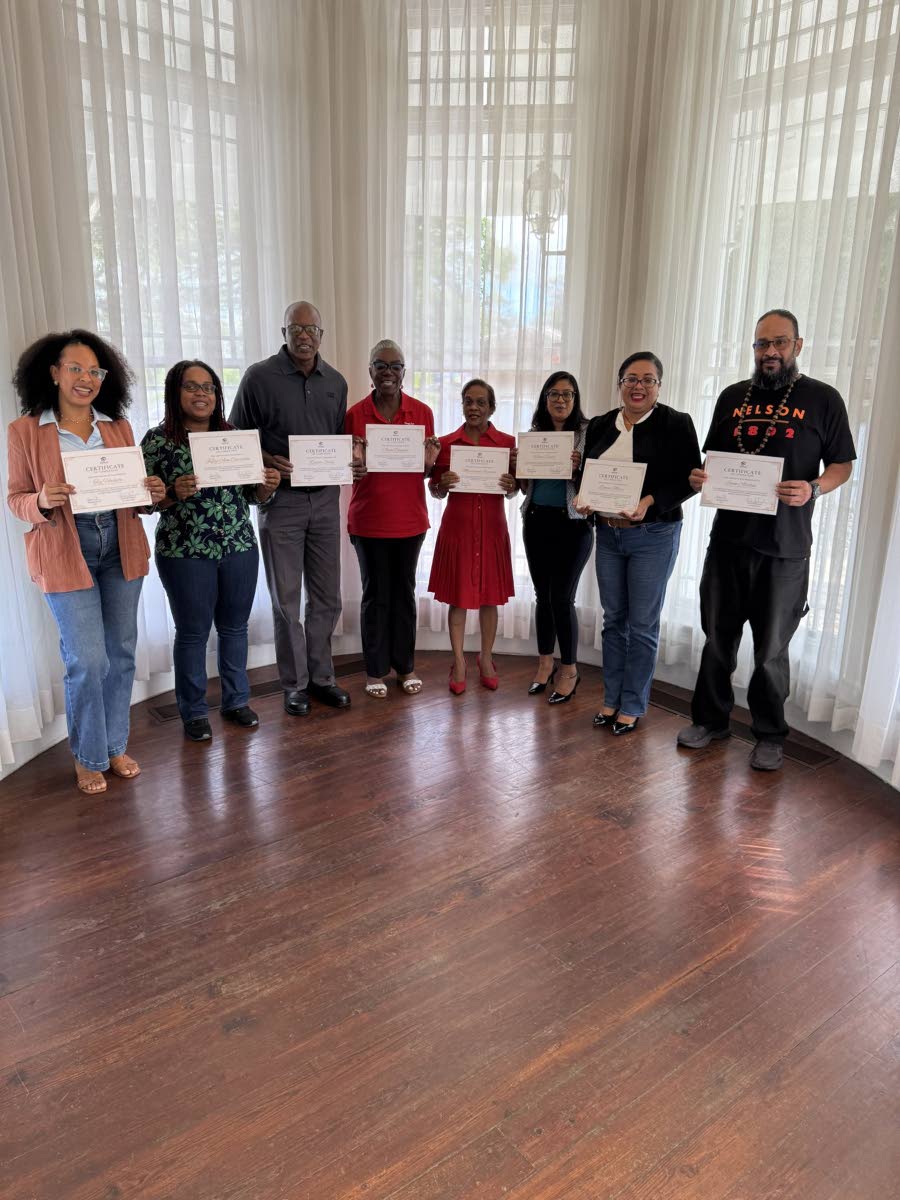
In a landmark initiative recognizing that cultural preservation relies on human dedication rather than mere structures, Trinidad and Tobago’s National Trust launched its inaugural Legacy Leaders Training Programme on January 15-16. The event united heritage site custodians from across the nation in a transformative professional development experience.
The programme, orchestrated by the Trust’s Education and Outreach Committee, brought together representatives from historically significant sites including Hayes Court, Holy Trinity Cathedral, Asa Wright Nature Centre, Lopinot Historic Complex, and Nelson Island. These practitioners, who often operate with minimal resources while juggling multiple roles from maintenance to fundraising, found common ground in their shared challenges and commitments.
National Trust CEO Graeme Suite inaugurated the event by acknowledging the quiet determination required to sustain heritage spaces in contemporary society. He emphasized that beyond passion, successful preservation demands resilience, long-term vision, and the ability to navigate economic realities while honoring cultural responsibilities.
The training curriculum addressed critical operational needs through expert-led sessions covering site interpretation, youth engagement strategies, visitor experience enhancement, and marketing communications. Facilitator Joseph Bertrand introduced innovative approaches to visitor management, advocating for guidance rather than enforcement to foster respectful behavior and cultivate lasting connections between communities and heritage sites.
A particularly impactful session featured the Heritage Tax Allowance Programme (HTAP), a government-backed fiscal incentive offering companies 150% tax deductions (up to $1 million annually) for investments in heritage preservation. Senior Heritage Preservation Officer Ashleigh Morris explained how this initiative creates vital private-sector partnerships for restoration projects that might otherwise remain financially unfeasible.
The programme intentionally fostered peer-to-peer exchange, creating a supportive environment where participants could share challenges and solutions. Central concerns included succession planning and engaging younger generations to ensure stewardship continuity beyond current caretakers.
Special recognition was accorded to Joseph Bertrand, who conceived and project-managed the Legacy Leaders initiative. The programme represents a strategic pivot toward investing in human infrastructure for heritage preservation, acknowledging that sustainable management depends equally on leadership development, collaborative networks, and community connections as on conservation techniques.
The National Trust continues to advocate for public participation in heritage preservation through membership and active engagement, reinforcing the fundamental principle that investing in people ultimately protects legacy.