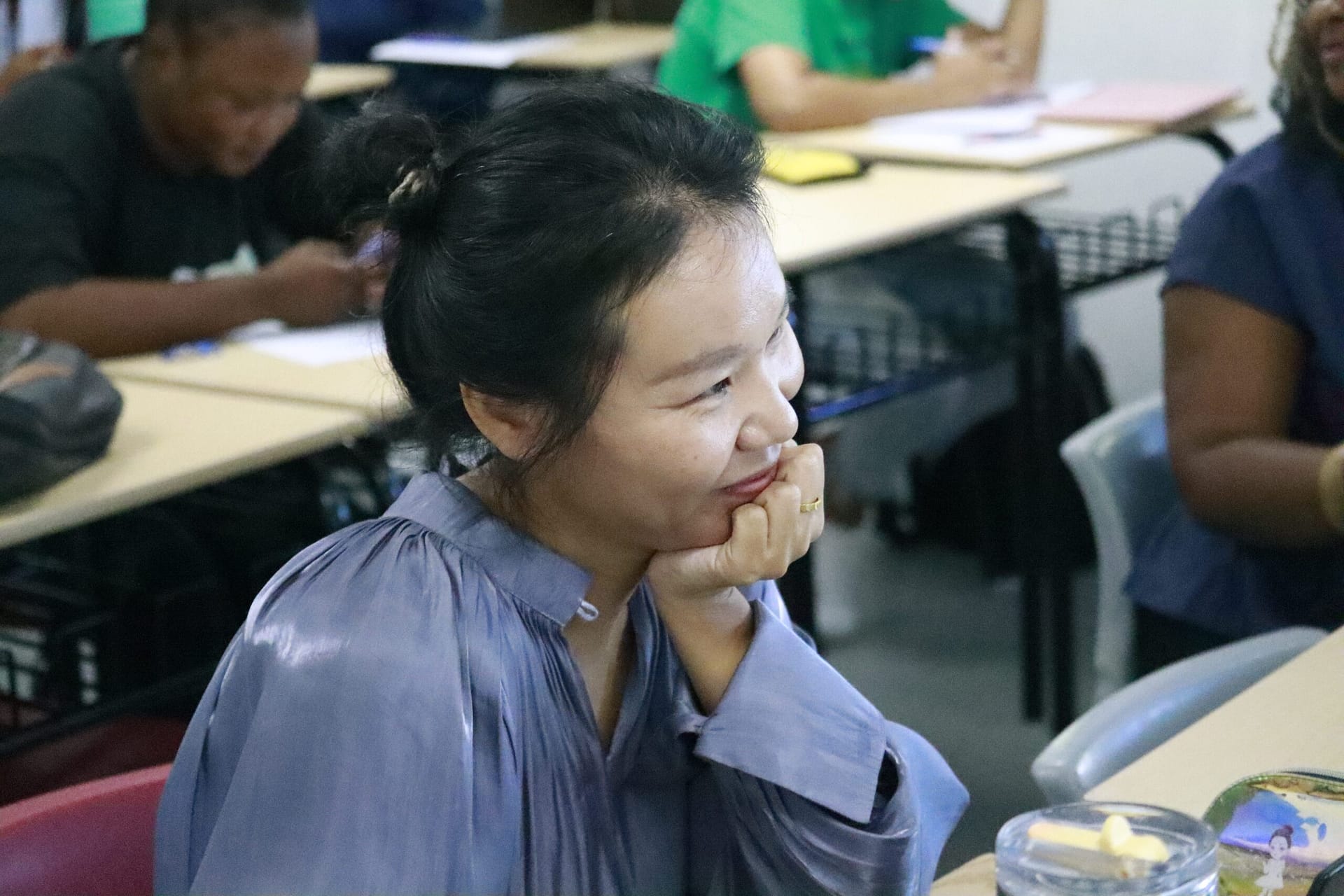
Antigua and Barbuda’s public education system marked January 16, 2026, as a significant milestone in pedagogical advancement as educators nationwide participated in comprehensive training sessions focused on Positive Behaviour Management (PBM) and Social and Emotional Learning (SEL). The initiative, designed to standardize and enhance behavioral management practices across all public schools, generated unprecedented enthusiasm among teachers, principals, attendance counselors, and support staff.
The training curriculum centered around the PBM Teachers’ Manual and accompanying workbooks initially introduced two years ago, now refined through practical implementation experience. Educational facilitators reported exceptionally high levels of engagement, with participants actively contributing to discussions, collaborative workshops, and reflective exercises aimed at promoting best practices in student behavior management and socio-emotional development.
Preliminary feedback from attendees indicated overwhelmingly positive responses to the training content and delivery methods. The Ministry of Education has committed to utilizing evaluation data gathered during these sessions to further refine program components, ensuring continued relevance and effectiveness in classroom applications.
A team comprising Education Officers, school principals, and experienced teachers served as facilitators across twenty-five educational institutions nationwide. Despite initial apprehensions among first-time trainers, all demonstrators exhibited remarkable professionalism and adaptability throughout the sessions. Many facilitators expressed profound gratitude for contributing to the Ministry’s broader mission of creating safe, nurturing, and effectively managed learning environments.
The Ministry of Education extended formal appreciation to all participating educational personnel and particularly acknowledged UNICEF for their sustained support of this critical program. The Ministry reaffirmed its commitment to advancing PBM and SEL initiatives, emphasizing their vital role in fostering positive relationships, constructive interactions, and behaviors that support comprehensive student development.