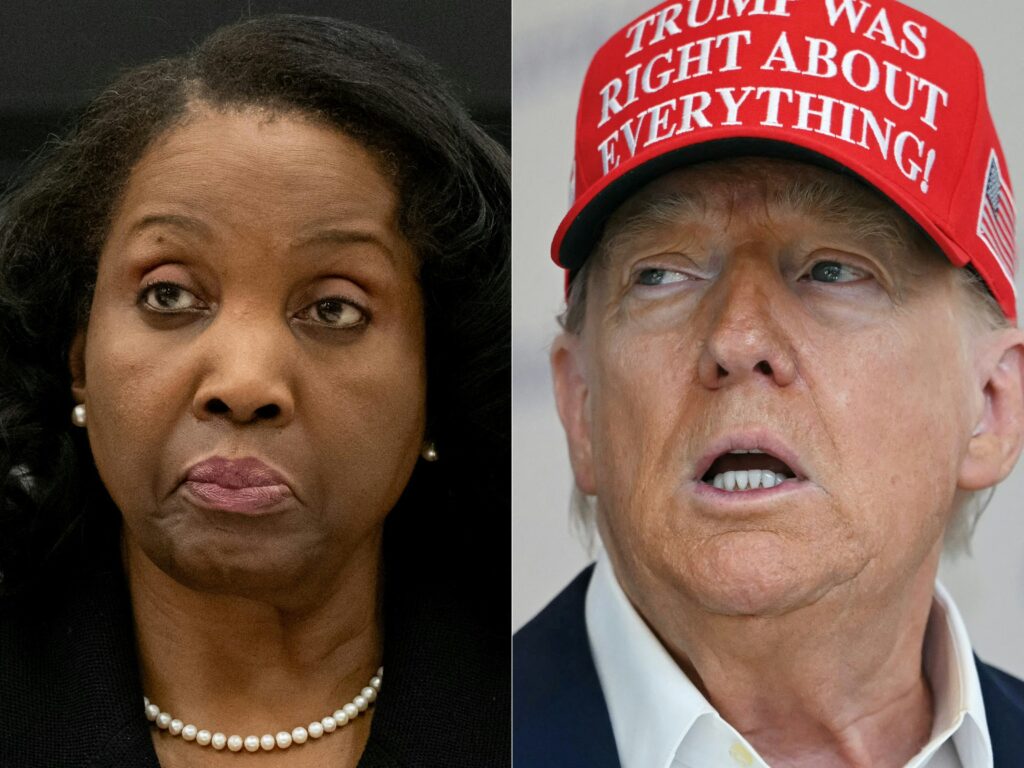
WASHINGTON, United States – The US Supreme Court is poised to deliberate a consequential case this Wednesday regarding former President Donald Trump’s attempt to remove Federal Reserve Governor Lisa Cook from her position. This legal battle represents a critical test for the operational autonomy of the nation’s central bank against executive branch influence.
In August, Trump initiated proceedings to dismiss Cook, a prominent member of the Fed’s interest rate-setting committee, based on allegations of mortgage fraud—claims which she has consistently denied. The conservative-majority court previously issued an injunction preventing Cook’s immediate removal, permitting her to continue in her role pending judicial review.
The significance of this case is underscored by Fed Chair Jerome Powell’s planned attendance at the hearing, demonstrating institutional support for Cook. This development occurs alongside heightened pressure from the Trump administration targeting the central bank, including the initiation of a criminal investigation into Powell himself concerning renovations at the Fed’s headquarters. Powell has characterized this probe as a politically driven effort to sway monetary policy decisions.
Cook’s potential removal—and the investigation into Powell—signals an unprecedented escalation in Trump’s campaign to exert influence over the Federal Reserve. The former president has frequently criticized the institution for resisting his calls for more aggressive interest rate cuts. A successful dismissal of Cook could allow Trump to appoint a successor more aligned with his economic agenda, potentially altering the balance of power within the board.
Legal experts note that the case’s outcome may redefine the boundaries of presidential authority regarding independent federal agencies. Federal statute specifies that Fed officials may only be removed for “cause,” typically interpreted as misconduct or neglect of duty—a standard Cook maintains has not been met.
The Court’s decision carries profound implications for central bank independence globally, with former Fed chairs warning that political interference could yield severe economic consequences, including inflationary pressures and market instability. This case follows a pattern of Supreme Court rulings favoring expansive presidential powers during Trump’s tenure, though the Court previously acknowledged the Fed’s unique protected status in a prior decision.
Cook, the first Black woman to serve on the Fed’s board of governors, has stated that the allegations reference activities predating her appointment and that no formal charges have been filed. The criminal referral originated from a Trump-appointed official at the Federal Housing Finance Agency, citing discrepancies in mortgage documentation.