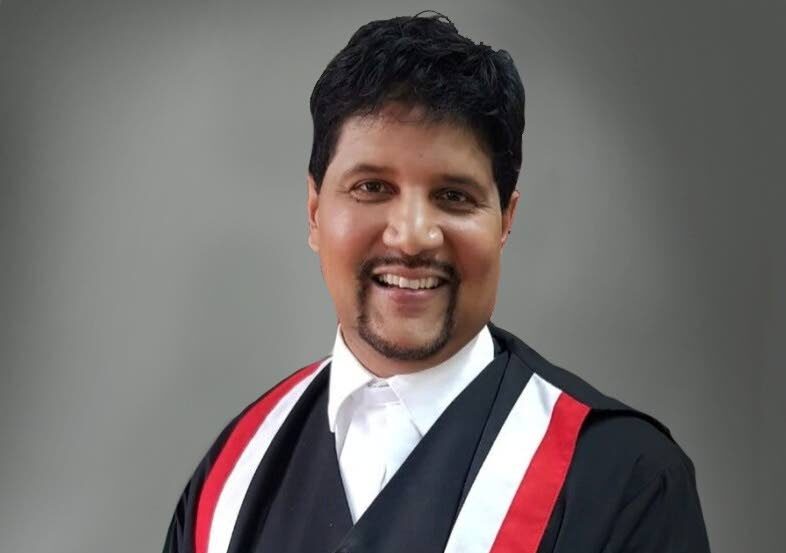
In a landmark ruling with significant implications for police accountability, High Court Justice Frank Seepersad has issued a powerful call for legislative reform to ensure officers face personal financial consequences for unlawful arrests. The January 20th decision came in response to the malicious 2019 arrest of Jawanza Simmons, a Sangre Grande businessman, by Special Reserve Constable Cleon Smith.
The court established that Simmons was standing on a pavement smoking a cigarette and conversing with his brother when Smith approached without justification. The officer slapped the cigarette from Simmons’ hand, demanded identification without stating any suspected offense, and proceeded to arrest him when Simmons questioned the action. Testimony revealed that Smith pushed Simmons against a wall, emptied his pockets, and failed to identify himself properly before handcuffing him.
During transportation to Sangre Grande Police Station, Simmons endured physical assault and verbal abuse. He was detained for approximately twelve hours in substandard conditions without communication access before facing baseless charges of disorderly conduct and resisting arrest. The case eventually collapsed when Smith repeatedly failed to appear in court, including at the magistrates’ level where the charges were ultimately dismissed.
Justice Seepersad characterized the officer’s conduct as “arbitrary” and “not rooted in the rule of law,” concluding that Smith acted with malice in bringing unfounded charges. The judge emphasized that speaking loudly does not constitute disorderly conduct, and found no reasonable basis for the arrest or subsequent charges.
The ruling highlighted systemic issues within law enforcement, noting the officer’s pattern of avoiding court appearances and the state’s failure to secure his testimony. Justice Seepersad warned against the prevalent practice of threatening arrest without probable cause, stating that rising criminality in the country does not excuse police from operating within legal boundaries.
In his most significant pronouncement, Justice Seepersad urged Parliament to amend legislation to discipline officers who make unjustifiable arrests and require them to personally pay court-awarded damages rather than burdening taxpayers. He suggested deductions from salaries or termination benefits as potential methods of recovery.
The state was ordered to pay Simmons $75,000 in compensatory damages and $25,000 in exemplary damages, plus legal costs. The case was represented by Elvin Cudjoe for Simmons and Keron Maynard for the state.