In a landmark development for global trade, European Union and Mercosur bloc officials finalized a comprehensive free trade agreement on Saturday in Paraguay, concluding negotiations spanning more than a quarter-century. This monumental pact represents the most extensive trade deal ever negotiated by the EU, though it still requires ratification by the European Parliament and national legislatures of Mercosur member nations Argentina, Brazil, Paraguay, and Uruguay.
The agreement aims to dismantle longstanding trade barriers between the economic blocs, promising unprecedented opportunities for cross-continental commerce and investment. However, the accord faces significant opposition within Europe due to environmental concerns, agricultural competition worries, and labor rights considerations.
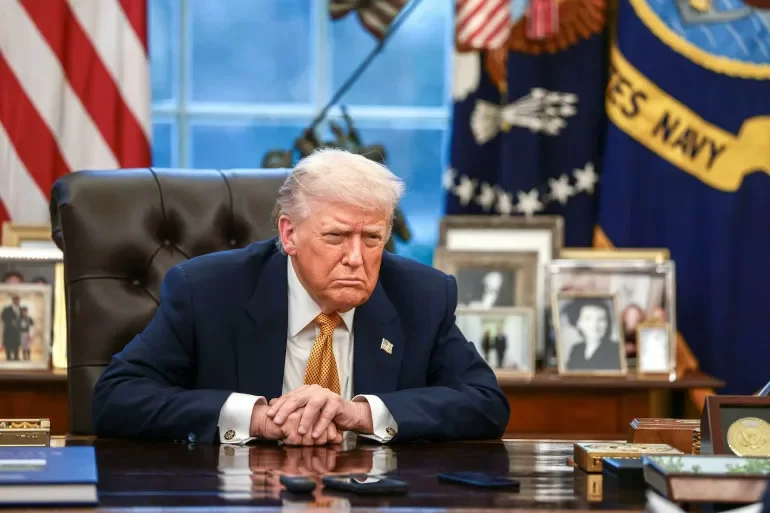
Simultaneously, international tensions escalated as U.S. President Donald Trump intensified his campaign to acquire Greenland, announcing substantial tariff increases on eight European nations via his Truth Social platform. Effective February 1st, a 10% tariff will be imposed on goods from Denmark, Finland, France, Germany, Norway, Sweden, Netherlands, and the United Kingdom, with plans to increase to 25% by June 1st. Trump declared these punitive measures would remain until the United States secures an agreement for Greenland’s purchase.
European governments have yet to formally respond to these economic threats, while thousands of Danish citizens took to the streets in protest. Copenhagen witnessed demonstrators waving national and city flags while chanting “Kalaallit Nunaat” – Greenland’s indigenous name – in rejection of American expansionism.
These public demonstrations occurred shortly after a bipartisan U.S. congressional delegation reaffirmed American support for Denmark and Greenland during meetings in Copenhagen. Senator Chris Coons expressed hope that Denmark would maintain confidence in the American people while emphasizing respect for Danish sovereignty and NATO alliances.
Since taking office, President Trump has repeatedly asserted that Greenland should fall under American control, recently declaring any alternative outcome “unacceptable.” This stance contradicts overwhelming Greenlandic public opinion, with a January poll revealing 85% opposition to U.S. annexation and only 6% in favor.
Both Greenlandic and Danish authorities have consistently rejected American ownership proposals, with recent diplomatic efforts by foreign ministers from both governments failing to alter the U.S. position during Washington meetings. Danish Foreign Minister Lars Løkke Rasmussen characterized Trump’s approach as attempting to “conquer” Greenland rather than negotiate.
These parallel developments highlight the intricate interplay between trade diplomacy and geopolitical ambitions in contemporary international relations, where economic agreements and territorial aspirations create complex global dynamics.