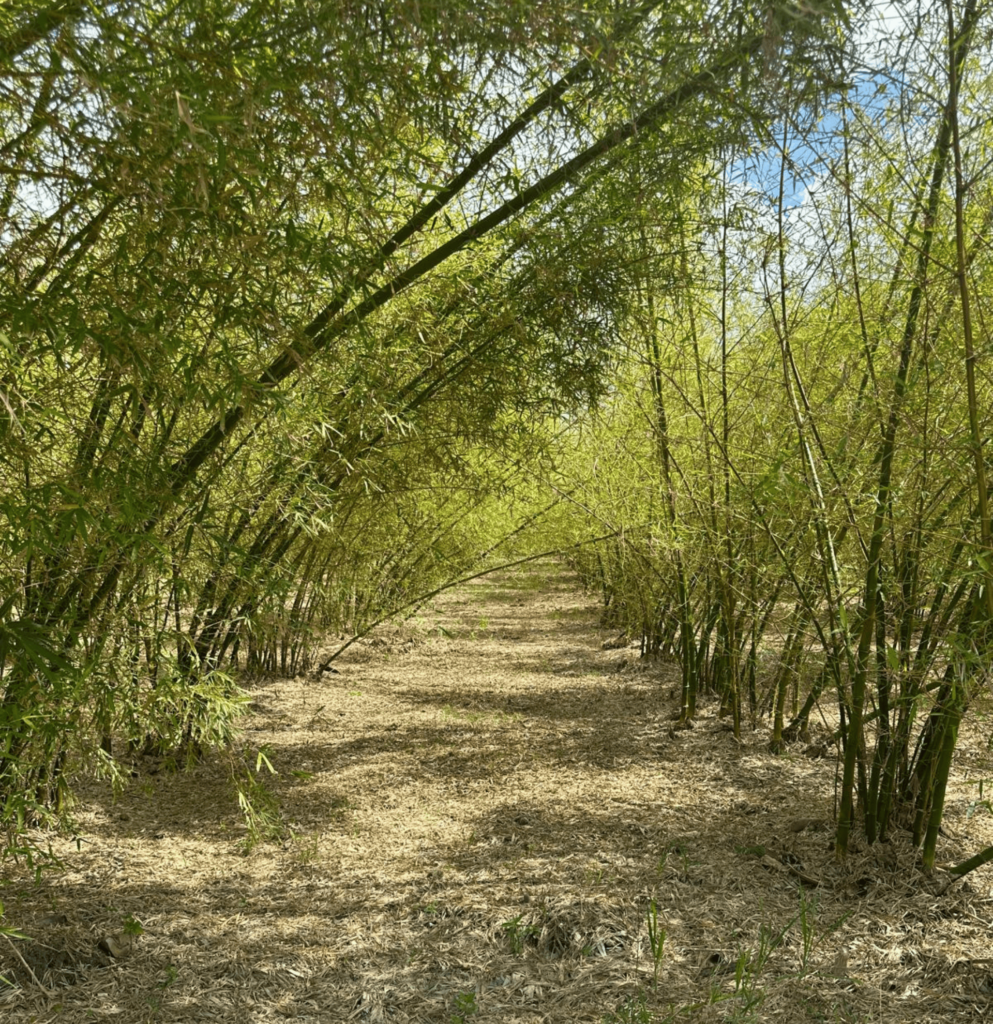
WESTMORELAND, Jamaica—In the aftermath of Hurricane Melissa’s devastating path across Jamaica, an unexpected agricultural champion has emerged from the wreckage. While traditional crops succumbed to the Category 5 storm’s fury, experimental bamboo plantations demonstrated remarkable resilience, offering promising insights for Jamaica’s climate adaptation strategy.
Bamboo Bioproducts Ltd., pioneering Jamaica’s first large-scale bamboo pulp mill development in Friendship, Westmoreland, discovered its test plots withstood the extreme weather conditions with unexpected fortitude. According to CEO David Stedeford, the hurricane served as an unplanned but valuable stress test for both agricultural assumptions and industrial designs.
The company, which is cultivating over 25,000 acres of bamboo across Jamaica as part of a $500 million investment, observed how mature bamboo clumps bent under ferocious winds yet recovered within weeks. Agricultural officer Kirk Raymond reported that strong root systems stabilized soil, flexible culms minimized breakage, and the plant’s rapid regrowth ensured future feedstock supply integrity.
Post-storm assessments revealed an additional advantage: much of the felled bamboo remained suitable for industrial processing, with approximately 80-90% of material meeting quality standards for mill throughput. Raymond noted that the storm essentially functioned as a pre-harvest exercise rather than a catastrophic event.
The hurricane also validated strategic planning behind the mill’s development. The chosen site avoided flooding during the storm, confirming earlier hydrological assessments. Stedeford disclosed that engineers subsequently refined structural designs, construction-phase planning, and shutdown procedures to incorporate lessons from the extreme weather exposure.
Beyond infrastructure and agricultural resilience, the company emphasized its people-first approach during the crisis. Operations were paused pre-emptively, with staff instructed to prioritize family safety. Post-storm, the company immediately conducted welfare checks and provided support for food and hygiene needs through local leadership coordination.
This comprehensive response reinforced Bamboo Bioproducts’ philosophy of operating as an integrated community member rather than an isolated enterprise, with additional funding committed to support neighboring communities during recovery.