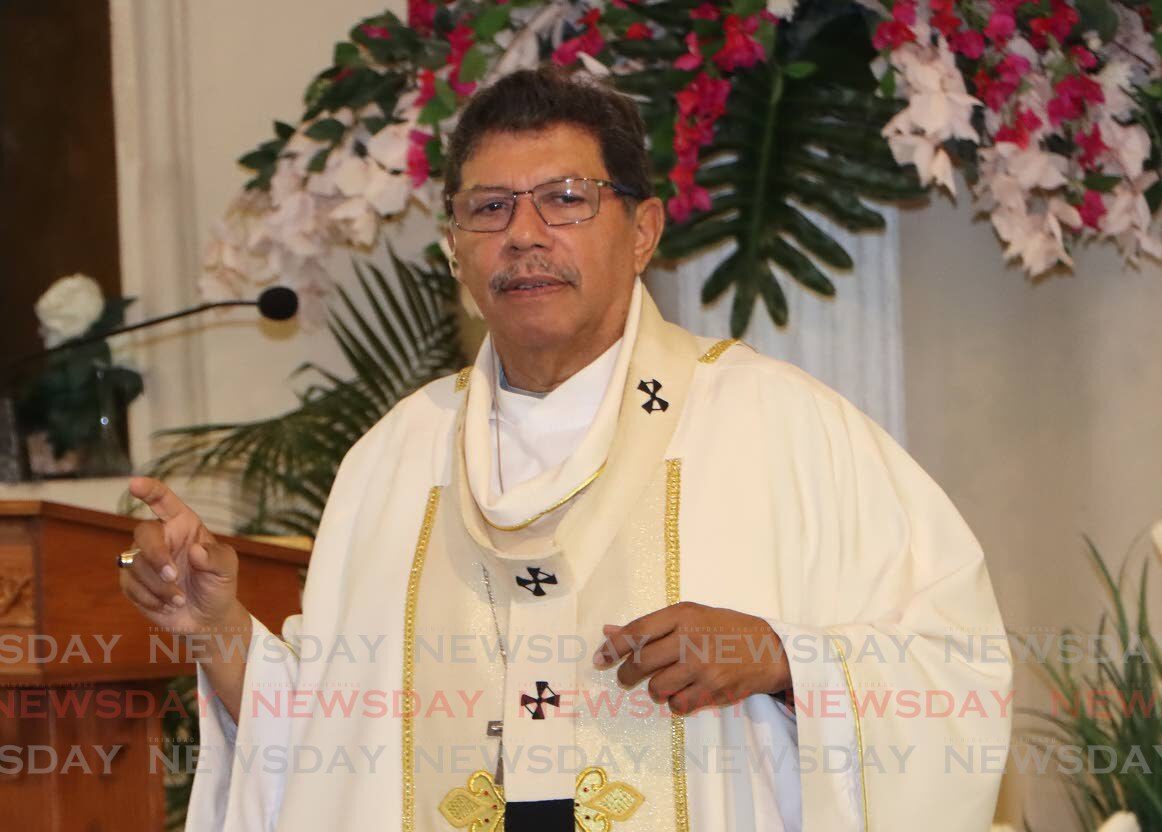
In a groundbreaking appeal, Archbishop Charles Jason Gordon has called for comprehensive legislation to shield children from social media’s addictive dangers, drawing parallels to substance abuse regulations. Speaking at a January 19 press conference, the religious leader emphasized that digital platforms are deliberately engineered to foster dependency through sophisticated algorithms.
Archbishop Gordon’s proposal directly references Australia’s pioneering ban prohibiting children under 16 from accessing major platforms including Facebook, Instagram, TikTok, and YouTube. His intervention comes just two days after Prime Minister Kamla Persad-Bissessar announced sweeping age restriction reforms for alcohol, cannabis, and gambling activities.
The Australian model—currently under global scrutiny—represents the world’s first comprehensive youth social media prohibition. Under these regulations, minors cannot establish new accounts while existing profiles face deactivation. Prime Minister Anthony Albanese’s administration justifies this radical measure based on government-commissioned research revealing alarming statistics: 96% of Australian children aged 10-15 actively use social media, with 70% exposed to harmful content including violence, misogyny, and self-harm promotion.
Archbishop Gordon specifically praised Trinidad and Tobago’s recent disciplinary measures, including increased traffic fines and the proposed age restriction hikes. ‘We have become an undisciplined society,’ Gordon observed, characterizing these policy shifts as crucial ‘national building levers’ rather than mere revenue-generation tactics.
The proposed Trinidadian legislation would mirror Australia’s three-pronged criteria for identifying regulated platforms: services primarily facilitating online social interaction, enabling user-to-user communication, and allowing content posting capabilities. This framework potentially affects ten major platforms currently accessible without restrictions in the Caribbean nation.
Gordon’s endorsement adds significant moral weight to the government’s broader protective agenda, creating unusual alignment between religious and governmental institutions on public welfare policy. The archbishop’s characterization of social media as ‘more addictive than alcohol’ echoes recent Congressional testimony from tech executives acknowledging their platforms’ dependency-building design philosophies.