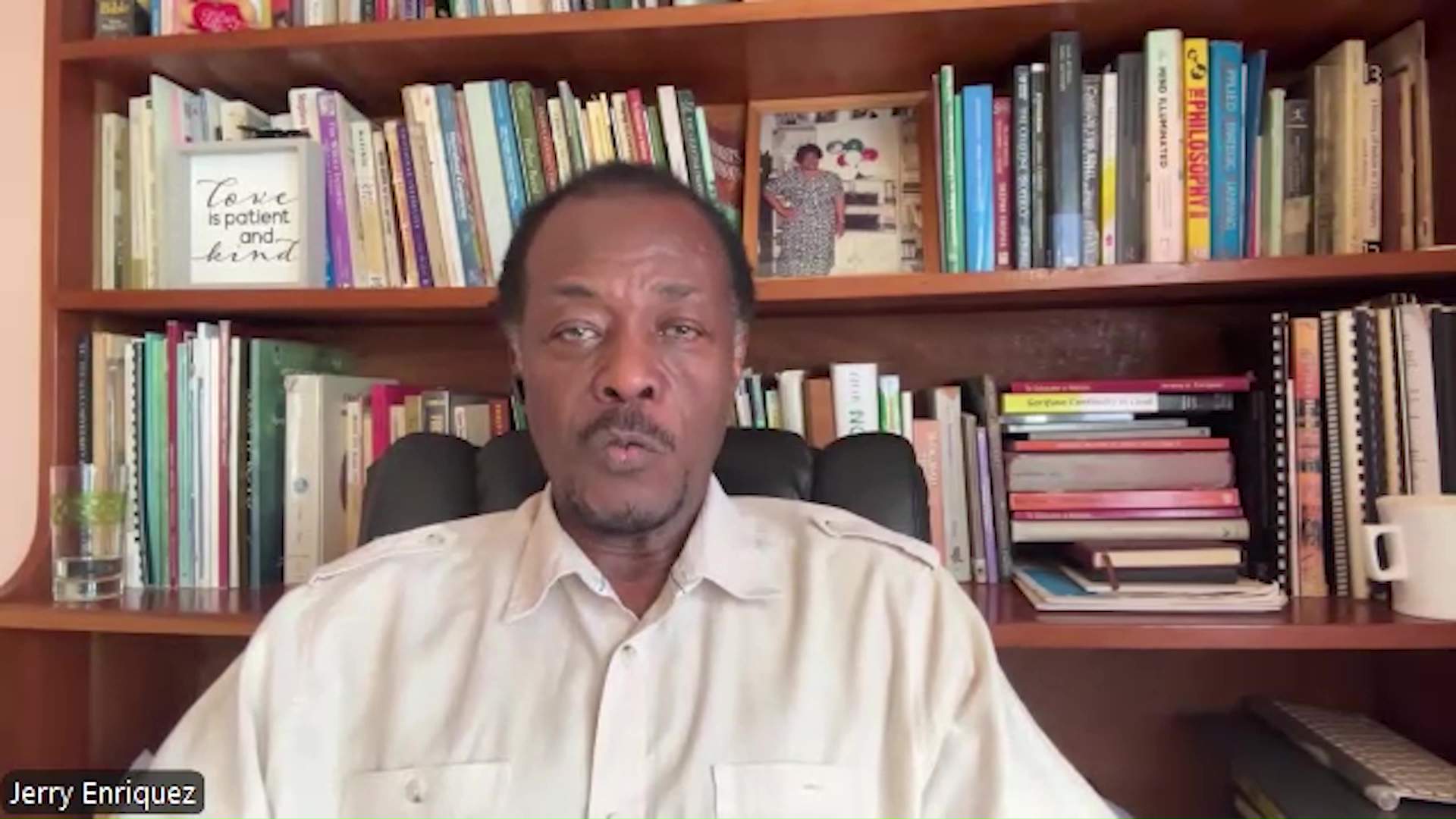
In a significant development for Belize’s judicial accountability, prominent social advocate Jerry Enriquez has initiated legal proceedings against the nation’s Judicial and Legal Service Commission (JLSC). The controversy stems from the Commission’s dismissal of a misconduct complaint filed against Justice Tawanda Hondora in late 2025, which Enriquez contends was unjustified despite substantial evidence submission.
The High Court has granted Enriquez leave to pursue judicial review against the JLSC’s decision. The activist’s allegations originated during a critical constitutional case concerning electoral representation reform, where he documented purported judicial misconduct. Enriquez provided the Commission with recorded evidence and sworn affidavits supporting his claims.
Enriquez maintains that the JLSC failed to conduct a transparent investigation, instead dismissing the complaint without meaningful consideration. He emphasizes that the Commission only responded after he threatened legal action, claiming the evidence “did not reach the threshold for further investigation”—a determination Enriquez challenges as procedurally flawed and substantively inadequate.
The case raises fundamental questions about judicial accountability mechanisms in Belize’s legal system. Enriquez asserts that his pursuit underscores a fundamental principle: “No politician, area representative, or even the Governor General is above the law. The constitution remains the supreme law of Belize.” This legal action represents a direct challenge to the opacity of judicial oversight processes and could establish important precedents for future misconduct investigations.