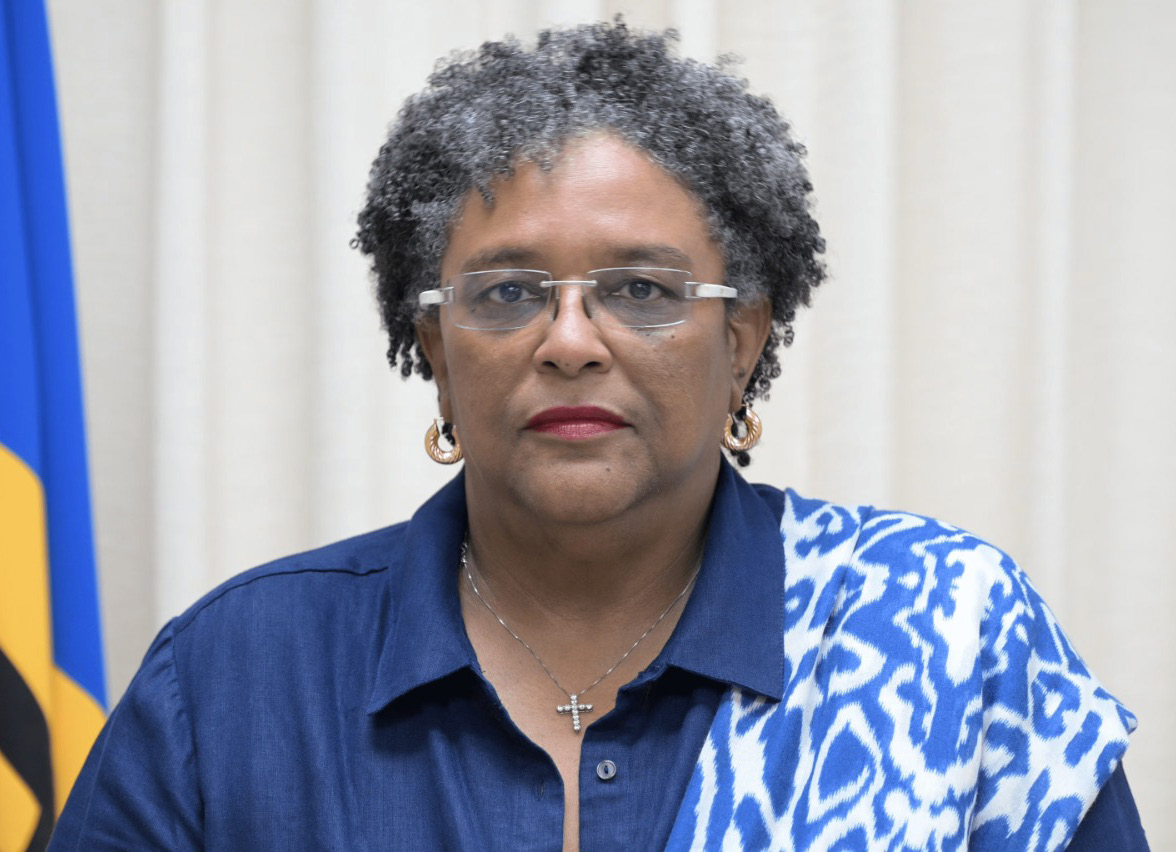
Barbados’ Prime Minister Mia Mottley has summoned an urgent assembly of all medical consultants from the Queen Elizabeth Hospital (QEH) following the complete saturation of the nation’s primary medical facility. The healthcare crisis stems from a convergence of record influenza infections, trauma incidents, and escalating chronic disease complications that have pushed the institution beyond its operational capacity.
A formal memorandum issued by Director of Medical Services Dr. Carlos Chase on Wednesday confirmed the emergency meeting scheduled for January 16th at the hospital’s auditorium. The directive explicitly mandated attendance from all consultant tiers—including full-time, University of the West Indies-affiliated, and sessional staff—requiring the rescheduling of surgeries, clinics, and private appointments to ensure participation.
The emergency convocation follows Monday’s revelation by QEH administration that daily patient volumes at the Accident and Emergency Department have consistently exceeded 100 individuals, necessitating unprecedented crisis management protocols. CEO Neil Clark characterized the situation as responding to “one of the most significant influenza outbreaks in recent history globally since COVID-19,” with year-over-year attendance spikes of 8.5% representing an additional 160 patients monthly.
December surveillance confirmed 42 influenza cases predominantly of Type A variety, alongside concurrent respiratory syncytial virus (RSV) infections and residual COVID-19 cases. The post-holiday period exacerbated conditions with increased hospitalization demands, prompting the implementation of escalated measures including enhanced staffing allocations, optimized bed management, and refined discharge coordination.
Hospital officials addressed circulating reports of patients occupying floor spaces, clarifying that lowered ambulance trolleys for safety purposes might create visual misconceptions. The institution maintains rigorous triage protocols prioritizing life-threatening conditions while conducting daily strategic briefings to address evolving challenges.
Dr. Anne-Marie Cruickshank, Head of the A&E Department, revealed sustained patient volumes have prevented clearance of backlogs, with daily counts reaching 100+ patients and waiting queues swelling to 40-60 individuals—far exceeding the ideal 15-patient threshold. Recent weekends witnessed 64 concurrent patients alongside ten gunshot trauma victims, creating what she described as “very intense” working conditions.
The crisis response has included recalling seven resident physicians across consecutive weekends, augmenting nursing staff, and deploying specialist physicians directly within emergency department confines to expedite clinical decision-making. This structural modification enables direct consultation between emergency and specialist staff, replacing previous telephone coordination methods.
Health authorities have issued public guidance urging citizens to reserve emergency services for critical conditions including chest pain, respiratory distress, major trauma, stroke symptoms, severe hemorrhage, or sudden collapse. For non-emergent conditions, officials recommend utilizing polyclinics, urgent care facilities, private practices, or pharmaceutical services while emphasizing proactive management of chronic health conditions.