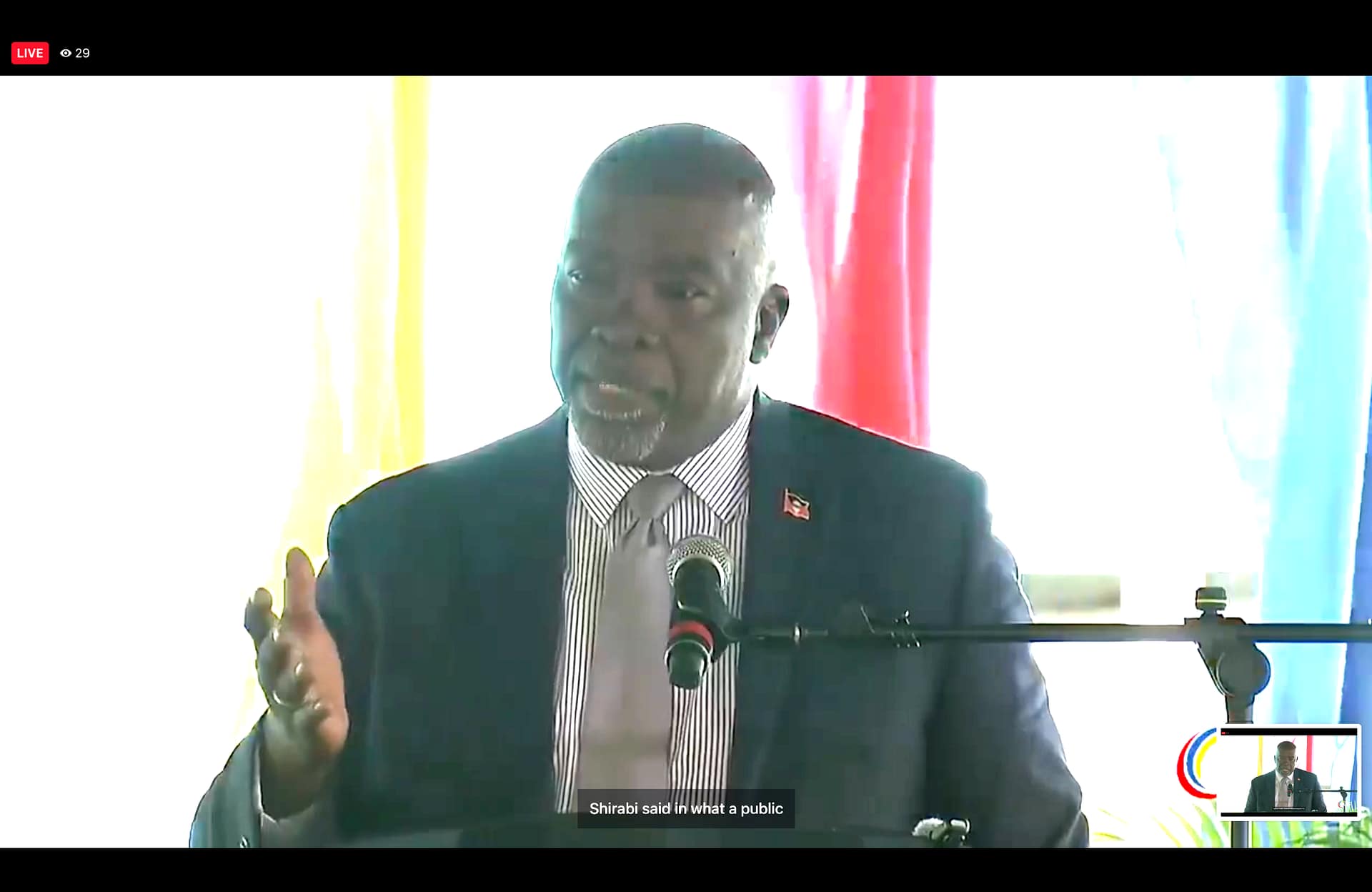
The nation of Antigua and Barbuda has taken a monumental stride in fortifying its water infrastructure with the formal inauguration of a state-of-the-art reverse osmosis facility at Barnacle Point. This critical new plant is engineered to yield an additional two million imperial gallons of potable water daily, substantially enhancing the country’s resilience against water scarcity.
This project represents the second major infrastructural achievement stemming from a collaborative public-private partnership between the Antigua Public Utilities Authority (APUA) and the Seven Seas Water Group. It follows the successful deployment of a one-million-gallon-per-day facility at Fryes Beach, which was commissioned the previous year.
During the inauguration ceremony, Melford Nicholas, the Minister responsible for utilities, emphasized the profound national significance of the endeavor. He declared water security to be synonymous with national security, stating that strategic investments, responsible management, and continuous public education are pivotal for economic protection, enhanced resilience, and environmental conservation.
Jason Peters, the Acting Water Business Unit Manager at APUA, hailed the event as a pivotal national milestone. He underscored the indispensable role of water in a small island developing state, describing it as a fundamental necessity for life itself. Peters articulated that the new plant symbolizes a profound commitment to guaranteeing reliable, safe, and sustainable water access for all citizens, both presently and for future generations.
Providing tangible evidence of progress, APUA Chief Executive Officer John Bradshaw revealed that the plant has been operational since mid-November, contributing to a notable surge in national water production. He reported a countrywide average output of 9.3 million gallons per day, with recent weeks witnessing repeated breakthroughs in production records. Bradshaw confirmed that the mission continues, with the ultimate goal being guaranteed water access for every household upon turning on their tap.
The future roadmap, as outlined by Bradshaw, includes the automation of the distribution network and the replacement of aging pipelines, some of which are nearly a century old. Ambitious plans for a further expansion were also announced, with a new 3.2-million-gallon-per-day reverse osmosis plant slated for development at Crabbes.
Henry Chirabi, Chief Executive Officer of Seven Seas Water Group, highlighted the project as a paradigm of efficient public-private partnership. He noted that the delivery of this essential infrastructure for fresh drinking water was achieved in under 24 months post-agreement. Chirabi also detailed the company’s performance-based model, which ensures financial accountability by linking payment strictly to the contractual delivery of specified water quantity and quality. He proudly noted that all six plant operators are local hires, reinforcing community involvement.
The ceremony was attended by Governor General Sir Rodney Williams, signifying the high-level governmental support for the nation’s water security initiatives. While officials acknowledged that the increased production is already alleviating historical shortages, they unanimously stressed that sustained investment in modernizing transmission and distribution systems remains imperative to achieve equitable and consistent water supply across all communities.