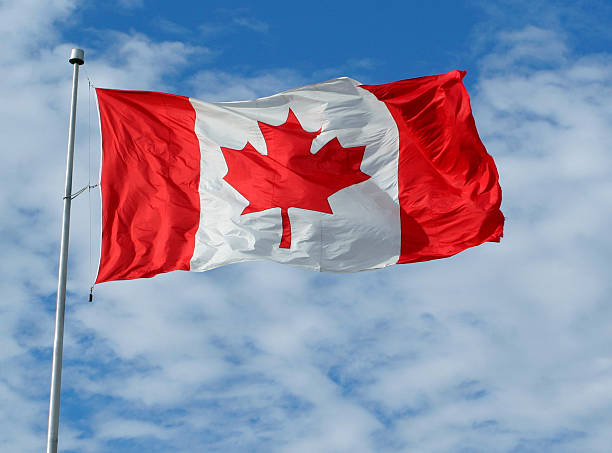
A recently announced United States policy suspending new green card visas for nationals of 75 countries, including Barbados and most CARICOM member states, is generating minimal concern among Barbadian migrants according to immigration experts. Attorney Samuel Legay revealed to Barbados TODAY that shifting migration patterns have dramatically reduced interest in US permanent residency among Barbadians, with Canada emerging as the overwhelming favorite destination.
Legay explained that over the past three to four years, Canada’s more accessible immigration system has fundamentally redirected migration flows. “I think more persons want to go to Canada, that’s the thing,” Legay stated. “Canada opened a lot more opportunities, especially for individuals seeking asylum and refugee status.”
The immigration lawyer noted that most of his recent US-related cases involve Barbadians facing difficulties with American authorities rather than those seeking new immigration opportunities. “Most persons who come to me within the last two or three years are Barbadians who have been deported from the US, had their visitor’s visa denied, or had their visa cancelled,” Legay explained, attributing many problems to overstaying or suspected illegal work activities.
By contrast, Canada’s approach has created a more welcoming environment. “Canada is a lot more open,” Legay emphasized. “Barbadians are running there a whole lot for refugee status, especially LGBTQ persons from Barbados.”
The Trump administration’s policy, set to take effect next Wednesday, will temporarily suspend processing of family- and employment-based permanent residence visas while the US State Department reassesses screening procedures and “public charge” rules. The suspension specifically exempts non-immigrant categories including tourist, business, student, and temporary work visas.
Despite the widespread attention the policy has received, Legay believes many potential migrants are adopting a wait-and-see approach. “I don’t think people have digested that properly as yet, as to what effect it really has,” he commented, noting the absence of widespread concern among his client base.
The policy affects nearly all CARICOM members, including Antigua and Barbuda, the Bahamas, Belize, Dominica, Grenada, Haiti, Jamaica, Saint Kitts and Nevis, and Saint Lucia. While the measure represents a significant tightening of legal migration channels, its practical impact on Barbadians appears limited given the established trend toward Canadian migration.
As uncertainty persists around the long-term implications of the US policy shift, Legay anticipates Barbadians will continue focusing their migration plans on alternative destinations until clearer outcomes emerge.