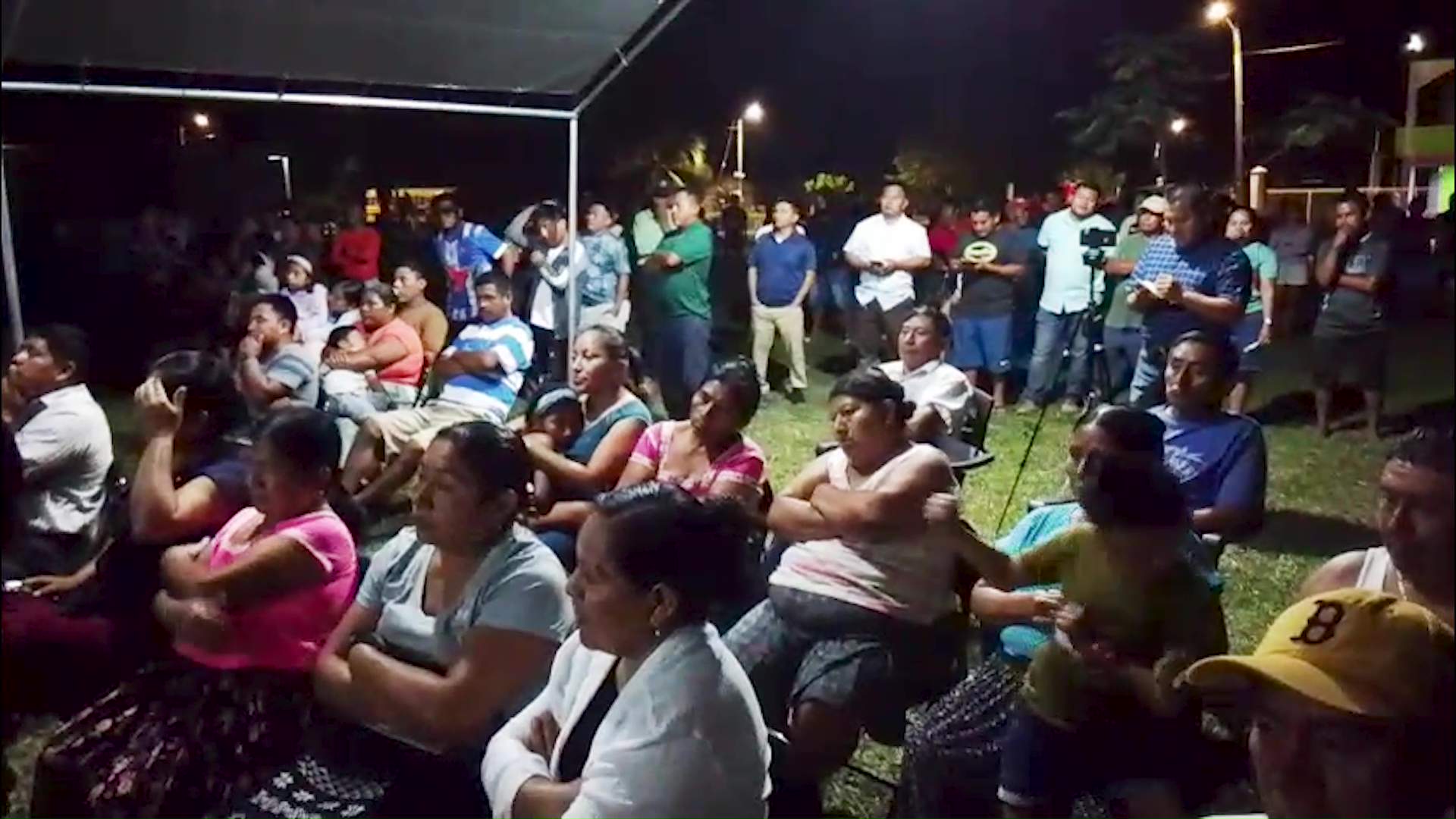
In a decisive community verdict, residents of Red Bank have overwhelmingly rejected a government-proposed scarlet macaw sanctuary in the Maya Mountains during a tense public consultation on Tuesday night. The meeting, attended by nearly two hundred villagers, revealed deep-seated frustrations over perceived exclusion from planning processes and concerns about potential land dispossession.
The sanctuary initiative, promoted by tourism operators and government officials as both a conservation milestone and economic opportunity, faced rigorous scrutiny from locals. Opposition intensified after comments from Sustainable Development Minister Orlando Habet suggested possible farmer relocations, sparking widespread apprehension about land rights and community displacement.
Tour guides emerged as unexpected proponents of the project, having advocated for protected status following discoveries of unauthorized surveying markers throughout critical bird-watching territories. Basilio Mes, a local guide, revealed that six parcels totaling approximately 150 acres had already been canceled following earlier interventions with government officials.
The consultation exposed fundamental divides in perspective. While government representatives presented the sanctuary as a structured conservation effort, residents emphasized their existing successful coexistence with the annual scarlet macaw migration. Many articulated that formal protection measures seemed imposed rather than collaboratively developed, with several questioning why external entities were determining land use policies for territory the community already responsibly manages.
Area Representative Rodwell Ferguson committed to respecting the democratic outcome, stating: ‘As an elected representative, I told them we are going to back off.’ He further pledged to prevent any land allocations that would restrict community access to the hills, regardless of future development considerations.
Despite the project’s rejection, underlying issues remain unresolved. The presence of survey markings across contested areas continues to raise concerns about potential private development that could exclude both farmers and tour operators from traditional access routes. The government has indicated willingness to revisit the proposal should community perspectives evolve, while tourism professionals maintain hope for alternative conservation mechanisms to protect the ecologically significant area.