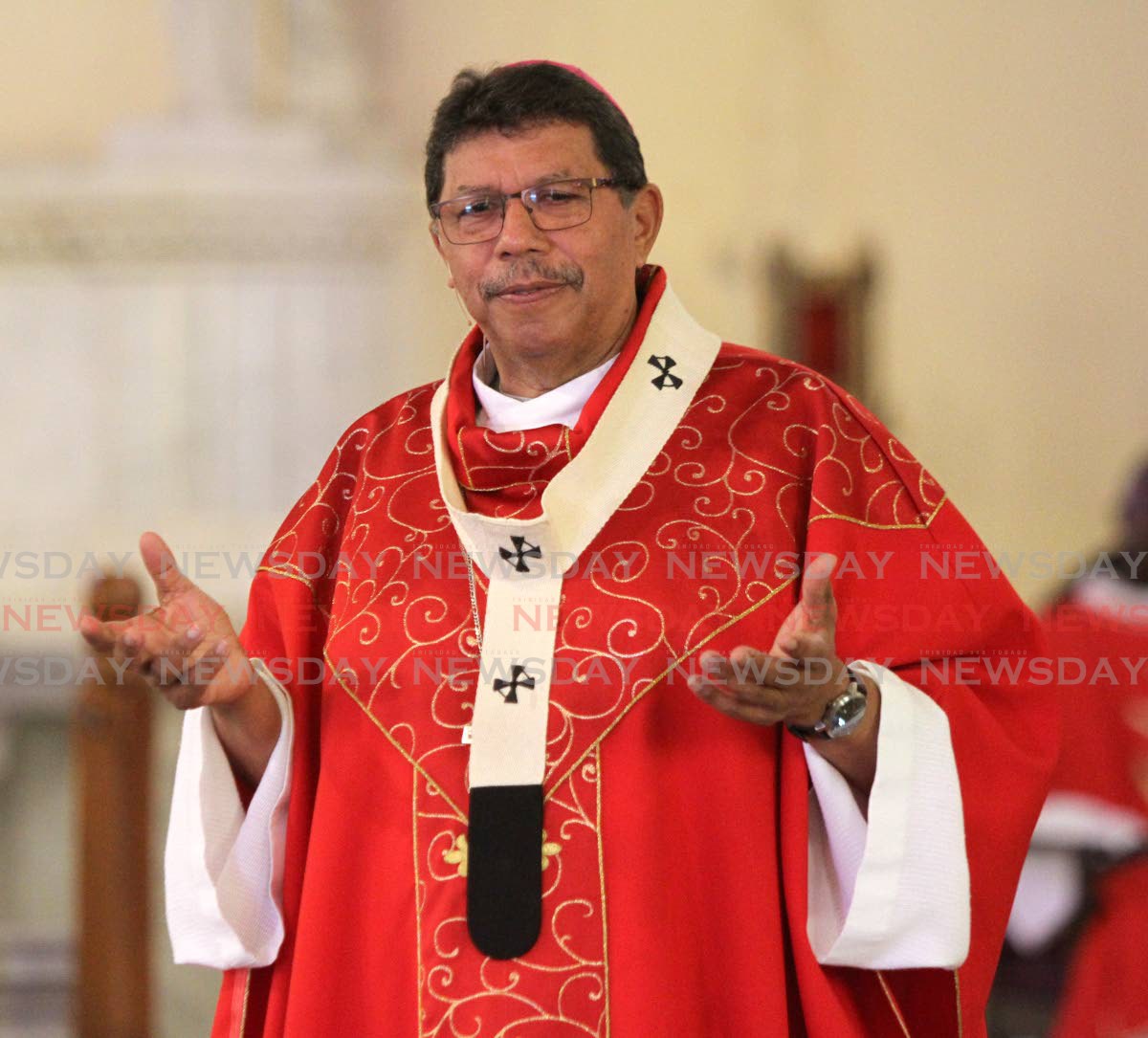
Trinidad and Tobago is confronting a severe youth mental health crisis characterized by escalating rates of suicide, self-harm, and emotional distress among children. Archbishop Charles Jason Gordon has issued an urgent nationwide appeal for immediate intervention from all sectors of society, declaring the well-being of the nation’s youth to be at critical risk.
The Archbishop’s warning precedes a pivotal national briefing titled ‘The Urgency of Now: A National Call to Save Our Children,’ scheduled for January 19 at the Archbishop’s House in Port of Spain. This event, organized by the Samaritan Movement—a trauma-response initiative established by the Archdiocese of Port of Spain—aims to address what organizers describe as an escalating emergency affecting children across educational institutions.
Darrion Narine, programme manager of the Samaritan Movement, corroborated the severity of the situation, stating that the country has reached a breaking point. Based on their fieldwork across primary and secondary schools, the movement has documented an alarming surge in student distress, with both overt cries for help and silent suffering becoming daily occurrences. Educators and school administrators report being overwhelmed by the scale of the problem.
Disturbing data collected by the movement reveals that in a sample group of 48 students, 40% disclosed engaging in or contemplating self-harm behaviors. Narine emphasized that these statistics represent real children—sons, daughters, brothers, and sisters—whose suffering demands immediate action rather than bureaucratic delays.
The upcoming briefing will convene mental health professionals, educators, and faith leaders to address multiple critical aspects: the growing evidence of trauma in schools, the long-term consequences of inaction on communities, and the church’s potential role in providing healing and hope. Organizers stress that this event transcends a typical press conference, serving instead as a rallying cry for comprehensive societal response.
The Samaritan Movement is advocating for the government to declare the situation a national emergency and prioritize trauma-informed educational approaches and community care systems. Simultaneously, they’re calling on private sector entities to fund mental health initiatives that reach directly into schools and homes. Civil society organizations and faith communities are being urged to mobilize networks of care and mentorship, while parents and citizens are encouraged to create supportive environments where young people feel safe to share their struggles.