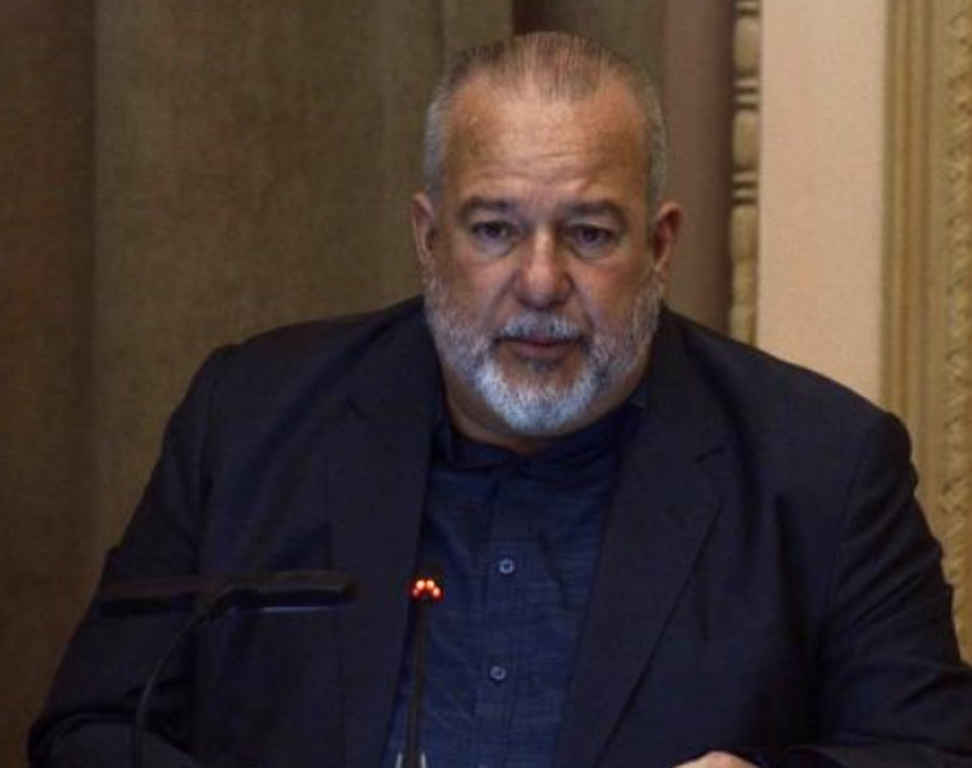
In a significant governmental session presided over by President Miguel Diaz-Canel, Cuban Prime Minister Manuel Marrero Cruz detailed substantial enhancements to the nation’s governance framework. The high-level meeting marked a pivotal development in Cuba’s ongoing administrative restructuring efforts, incorporating extensive feedback from multiple national institutions and public consultations.
The revised Government Program represents a synthesis of diverse inputs, including outcomes from nationwide public consultations, resolutions from the 11th Plenum of the Central Committee of the Communist Party, and substantive conclusions derived from the sixth ordinary session of the National Assembly of People’s Power. Further contributions emerged from specialized deliberations within the Commission on Economic Affairs, creating a comprehensive policy roadmap.
First-quarter implementation priorities include the formal publication of the updated program document, consolidation of previously approved measures, and systematic identification of territorial potential to reinforce the national Economic Plan. A key focus remains on enhancing budget revenues through optimized regional resource allocation.
Prime Minister Marrero emphasized the critical role of extraordinary sessions of Provincial Councils of People’s Power, describing them as mechanisms for evaluating implementation efficiency at local levels. These sessions enable assessment of additional capacity for achieving program objectives through decentralized governance structures.
Concurrently, the Council of State conducted rigorous evaluation of compliance with Law No. 158 concerning the Comptroller General of the Republic. This audit incorporated recommendations from the accountability report presented to the National Assembly in December 2022, reflecting ongoing efforts to strengthen institutional transparency.
The Council recommended intensified oversight in several strategic sectors including deficit reduction, external revenue generation, agricultural production enhancement, and reinforcement of state-owned socialist enterprises. These measures aim to address economic challenges while maintaining Cuba’s socialist development model.