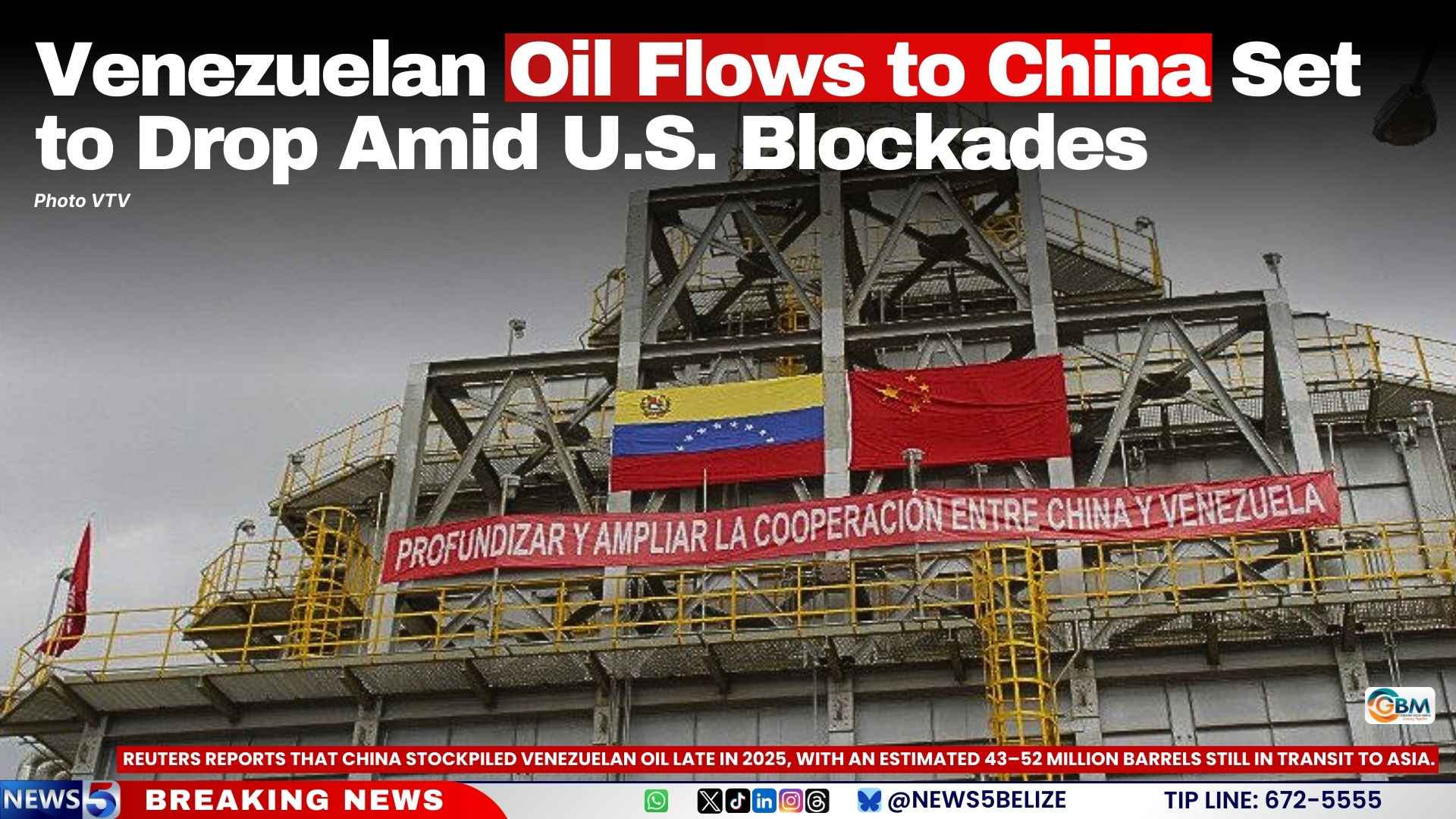
China’s crude oil imports from Venezuela are projected to experience a significant contraction next month following the implementation of U.S. naval blockades that have severely disrupted maritime shipments. This development comes in the wake of a controversial military operation conducted by American forces earlier this January that resulted in the capture of Venezuelan President Nicolás Maduro.
The United States government has subsequently asserted administrative control over Venezuela’s petroleum industry, which holds considerable influence within OPEC circles. In a decisive move, Washington has impounded five vessels transporting Venezuelan crude and issued stern warnings to international shipping companies against engaging with Caracas’s oil exports.
Maritime tracking data indicates that the majority of tankers that departed Venezuelan ports during early January have reversed course, though three vessels remain on trajectory toward Asian destinations. These ships are currently transporting approximately 5 million barrels of fuel oil and heavy crude—a volume that represents a dramatic reduction compared to China’s average import levels of 642,000 barrels per day throughout the previous year, according to internal documents from Venezuela’s state-owned PDVSA oil company.
Industry analysts note that China had strategically accumulated substantial Venezuelan oil reserves toward the end of 2025, with an estimated 43 to 52 million barrels still in transit to Asian ports prior to the implementation of sanctions. With supply chains now disrupted, commodities traders indicate that Chinese refiners will likely seek alternative crude sources in the coming months, potentially increasing imports from Canada and Iran.
Concurrently, U.S. President Donald Trump has publicly encouraged American energy corporations to invest in revitalizing Venezuela’s oil infrastructure, though industry response has thus far been characterized by cautious deliberation rather than enthusiastic commitment.