Multiple Caribbean nations find themselves in a state of diplomatic uncertainty following widespread media reports indicating the United States has suspended immigrant visa processing for their citizens. The development emerged through international news channels rather than official diplomatic channels, creating confusion among affected nations.
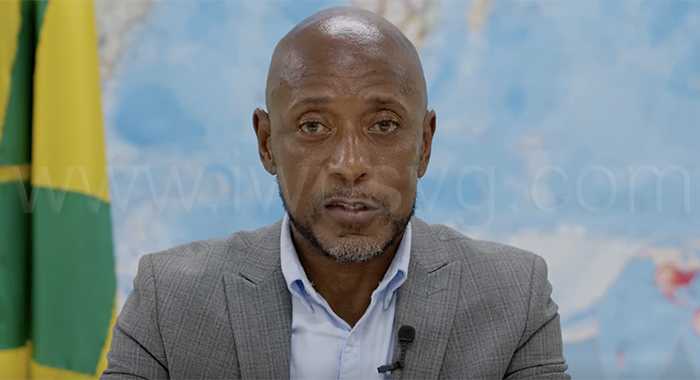
Foreign Minister Fitzgerald Bramble of St. Vincent and the Grenadines confirmed Wednesday that his government had received no formal notification from US authorities regarding any visa policy changes. Despite multiple international news organizations, including CNN, reporting that SVG and several other Caribbean countries were among 75 nations facing immigrant visa processing suspensions, official confirmation remains absent.
“We have not been officially informed by the US embassy in Barbados to the Eastern Caribbean nor any other US government official,” Minister Bramble stated through the state-owned Agency for Public Information. He acknowledged awareness of media reports but emphasized that his administration was actively seeking clarification through both the US Embassy in Barbados and SVG’s embassy in Washington, DC.
The reported policy would specifically target immigrant visas, including those for employment or family reunification purposes, while excluding non-immigrant categories such as tourist and student visas. According to media sources, the suspension is scheduled to take effect on January 21 as part of the Trump administration’s ongoing immigration crackdown.
CARICOM members reportedly affected include Antigua and Barbuda, Bahamas, Barbados, Belize, Dominica, Grenada, Guatemala, Haiti, Jamaica, St. Kitts and Nevis, St. Lucia, and St. Vincent and the Grenadines. Notably exempted from the list are Guyana, Suriname, and Trinidad and Tobago.
Sir Ronald Sanders, Antigua and Barbuda’s Ambassador to the United States, provided additional context after making direct inquiries with State Department officials. He revealed that the measure under consideration would involve a temporary pause of up to sixty days for immigrant visa applications while vetting procedures undergo review, contradicting some media reports that suggested broader restrictions.
The ambassador emphasized that individual countries have no administrative role in US immigration decisions, characterizing the matter as exclusively between applicants and US authorities. Meanwhile, the Gaston Browne administration continues diplomatic efforts to remove Antigua and Barbuda from various US visa restriction lists, including requirements for certain applicants to post bonds.
State Department spokesman Tommy Pigott characterized the move as preventing “abuse of America’s immigration system by those who would extract wealth from the American people.” The reported expansion of immigration restrictions would additionally affect countries including Somalia, Russia, and Iran, according to White House Press Secretary Karoline Leavitt.