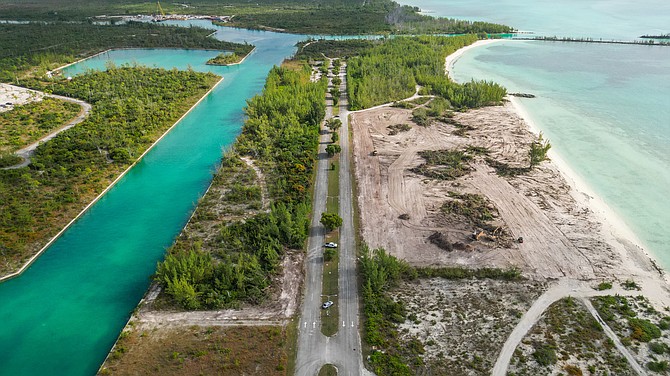
The ambitious Six Senses luxury resort development in Grand Bahama has encountered significant delays, missing its projected 2026 opening timeline and casting doubt on the project’s future viability. Despite detailed master plans unveiled in September 2024 by development consortium Weller Development Partners and Pegasus Capital Advisors, construction on the $250 million project has yet to commence on the designated 50-acre Barbary Beach site.
The resort, initially promoted as a transformative investment for Grand Bahama’s tourism sector, was designed to feature 70 luxury villas, 28 branded residences, and premium amenities including a world-class spa, multiple dining establishments, a beach club, and event spaces. Marketed as an eco-conscious development, the project emphasized sustainability and resilience with designs engineered to withstand Category 5 hurricanes while integrating seamlessly with the natural landscape.
Local stakeholders have expressed growing concern over the development’s stagnation. Peter Turnquest, former president of the Grand Bahama Chamber of Commerce, described the situation as particularly disappointing given the project’s potential to revitalize the island’s luxury tourism infrastructure and generate substantial employment opportunities. ‘What was hailed as a breakthrough investment for Lucaya and Grand Bahama in general has gone cold without any explanations,’ Turnquest noted.
The development team had previously indicated that construction would begin immediately following environmental approvals, with CEO Marc Weller expressing confidence in summer 2024 about rapid progress once permits were secured. However, despite completing the Environmental Impact Assessment process and public consultations in January 2024, no visible progress has been made.
The absence of communication from both developers and government officials has fueled speculation about potential obstacles, including whether infrastructure limitations such as airport facilities might be contributing to the delay. Turnquest suggested that while airport upgrades might be necessary, they shouldn’t fundamentally impede investment in the region.
With the original timeline now obsolete, stakeholders await updated information regarding the project’s revised schedule and the underlying causes for the unexpected delay, as the promised economic benefits remain unrealized.