Meteorological authorities in Saint Lucia are issuing urgent warnings about an impending high-impact drought expected to grip the island nation during its 2026 dry season. Drawing parallels to the severe dry spells of 2020 and 2009-2010, officials anticipate persistent arid conditions with temperatures soaring above seasonal norms.
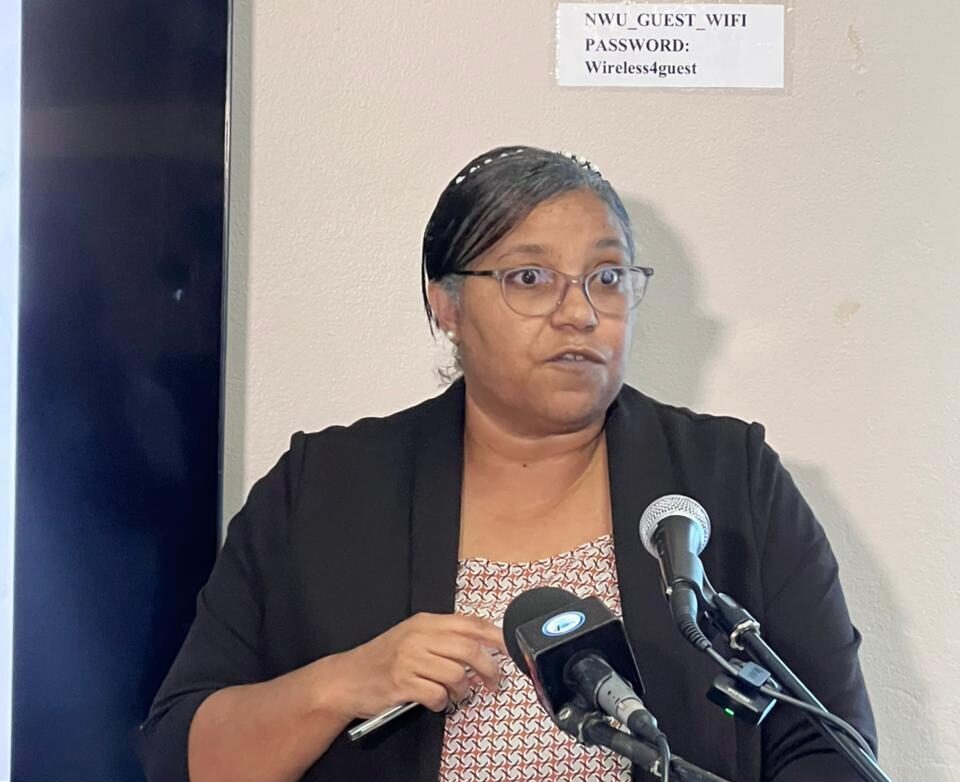
Vigil Saltibus, Director of Meteorological Services, characterized the developing situation as a significant meteorological event during a recent press conference. “Persistent dry and warmer-than-normal conditions will remain the dominant feature of the season,” Saltibus cautioned, emphasizing the critical need for coordinated water management strategies and public cooperation to mitigate potential socioeconomic consequences.
The transition from the 2025 wet season into 2026 has already demonstrated alarming rainfall deficiencies. Meteorological data reveals substantial precipitation shortfalls, with Hewanorra International Airport recording a 41% deficit and George F. L. Charles Airport experiencing a 28% reduction compared to historical averages.
The Caribbean Institute for Meteorology and Hydrology (CIMH) confirms emerging short-term drought conditions across the island, placing considerable stress on natural water sources including rivers, streams, and ponds. The institute further warns of escalating risks to reservoir capacities, groundwater reserves, agricultural productivity, and heightened vulnerability to bushfires.
Water and Sewerage Company (WASCO) officials acknowledge severe operational challenges, reporting a 50% production decrease in southern distribution networks and significant intake reductions in northern systems. Chief Operations Officer Aly Anthony conceded the approaching season would present substantial difficulties but committed to implementing strategic reserve management to prevent extended service interruptions.
Immediate countermeasures include replacing filtration systems at the Theobalds treatment facility and accelerating pipeline enhancement projects, particularly focusing on the critical raw water conduit from the John Compton Dam—described as the primary artery for northern water supply.
Looking toward long-term solutions, Anthony emphasized the inevitability of desalination technology adoption given escalating demand from tourism infrastructure, commercial enterprises, and residential consumers. “We have now reached the point where desalination is imperative,” Anthony stated. “This must become a central feature in our national discourse—we no longer have alternative options.”
Prime Minister Philip J. Pierre reinforced the urgency during a pre-Cabinet briefing, advocating for rainwater harvesting to become standard practice among citizens. Revealing that his household primarily relies on captured rainwater, the Prime Minister stressed that resolving WASCO’s infrastructural challenges would require sustained effort beyond immediate seasonal constraints.
The government’s appeals align with the Ministry of Agriculture’s position that water conservation represents both individual responsibility and collective national priority amid accelerating climate change impacts and aging water infrastructure.