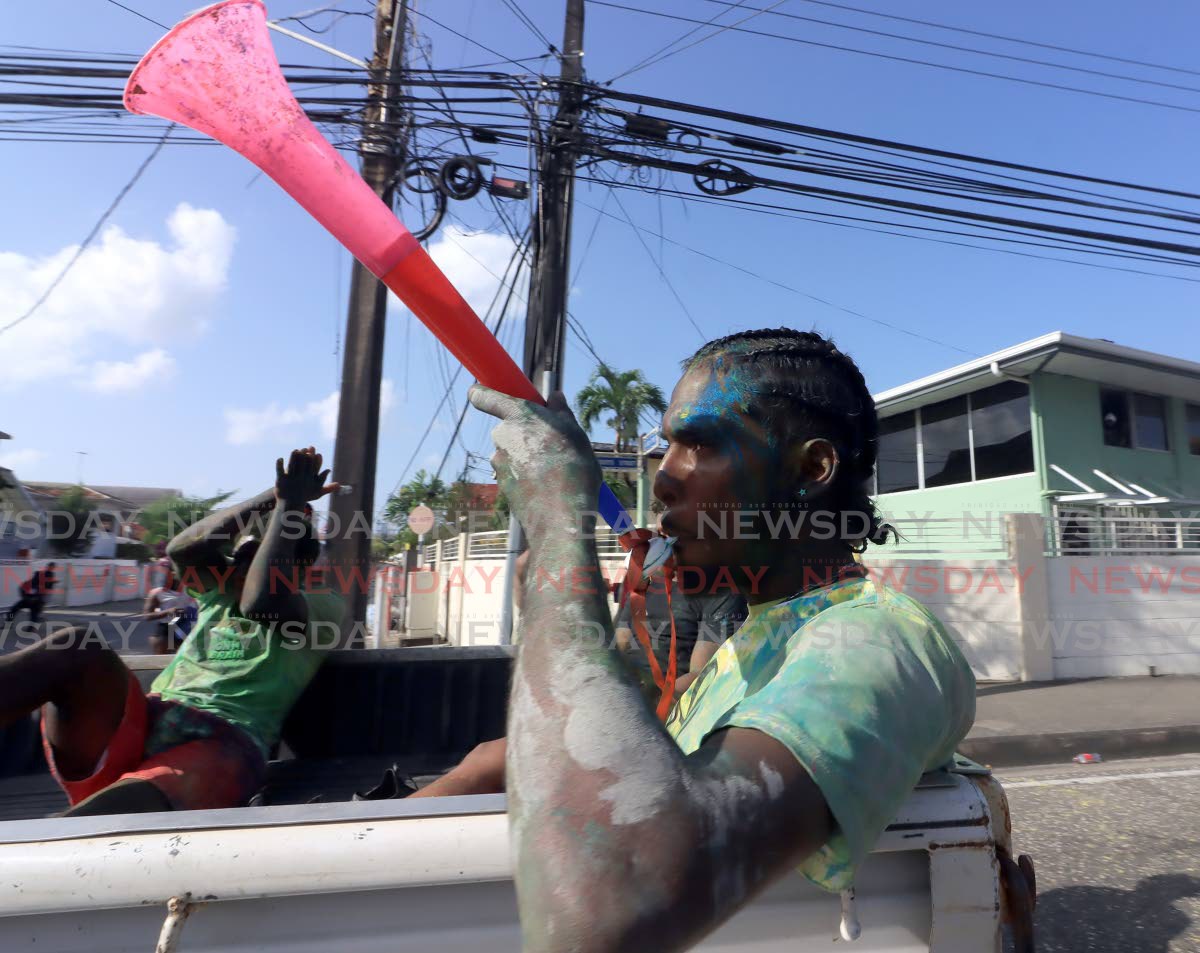
The Environmental Management Authority (EMA) of Trinidad and Tobago has unveiled comprehensive noise management protocols for the upcoming Carnival season, marking a significant shift in how cultural celebrations will be acoustically regulated. These measures represent the government’s latest effort to address longstanding community concerns while preserving traditional expressions.
Under the enhanced framework, event organizers must now comply with stringent location-specific requirements, including detailed site plans that identify proximity to residential zones and proposed noise mitigation strategies. The EMA has implemented a transparent public notification system, making all noise variation applications accessible through its official website alongside a user-friendly public comment portal.
High-risk areas—those with historical noise complaints or near sensitive facilities like healthcare institutions—will face additional requirements including formal resident notification processes and comprehensive noise management plans. The authority has adopted intelligence-led monitoring prioritizing events with previous compliance issues.
Environmental Police Unit officers will collaborate with event organizers to facilitate immediate corrective actions when violations occur, followed by enforcement proceedings under the Noise Pollution Control Rules (2001). The EMA has developed supporting documentation including an Event Variation Information Guide and Quick Reference Guide to assist compliance.
The initiative aims to reduce noise-related grievances while encouraging improved sound engineering practices. The EMA will conduct ongoing monitoring of complaint trends and provide public updates on outcomes, with potential implementation of pre-event sound testing to establish acceptable noise levels.
This balanced approach seeks to protect community wellbeing while maintaining Carnival’s cultural vitality through collaboration with government agencies, event promoters, and citizens.