The newly released 2026 Henley Passport Index reveals significant disparities in global travel freedom across Caribbean nations, with Barbados maintaining its regional supremacy while Organization of Eastern Caribbean States (OECS) members demonstrate remarkable collective strength in international mobility access.
Marking two decades since its inception, the comprehensive index documents Barbados as the Caribbean’s most powerful passport, offering citizens unparalleled visa-free or visa-on-arrival entry to numerous global destinations. The Bahamas secured second position regionally, demonstrating strong diplomatic reach and travel accessibility.
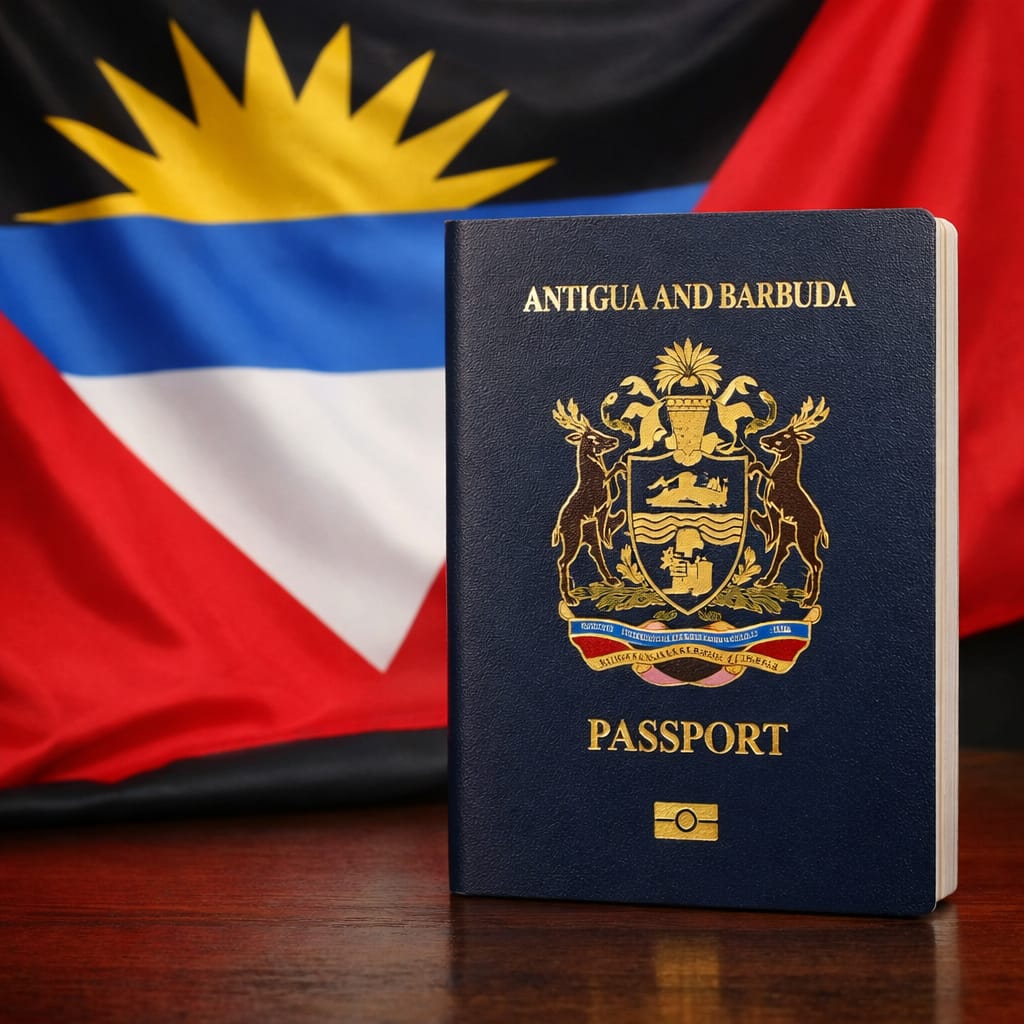
The most striking finding emerges from the OECS bloc, which claims six of the Caribbean’s top ten positions despite representing small island states. Saint Kitts and Nevis leads the OECS contingent, followed closely by Saint Vincent and the Grenadines, Antigua and Barbuda, Saint Lucia, Grenada, and Dominica. This concentration of passport power within the sub-regional organization highlights the effectiveness of their collective diplomatic engagements and visa-waiver negotiations.
Conversely, several larger Caribbean nations including Jamaica, Guyana, Suriname, the Dominican Republic, and Cuba ranked below their Eastern Caribbean counterparts. Haiti remains the region’s most restricted passport, reflecting ongoing challenges in global mobility access.
The index underscores how passport strength serves as both indicator and determinant of international opportunity, with visa-free access increasingly influencing business prospects, educational exchanges, and tourism development. The widening gap between Caribbean nations with extensive visa-waiver agreements and those constrained by limited diplomatic networks illustrates how geopolitical relationships directly impact citizen mobility.
These rankings arrive at a significant milestone for global mobility measurement, providing crucial insights into how visa policies continue to shape economic and personal opportunities across the Caribbean region and beyond.