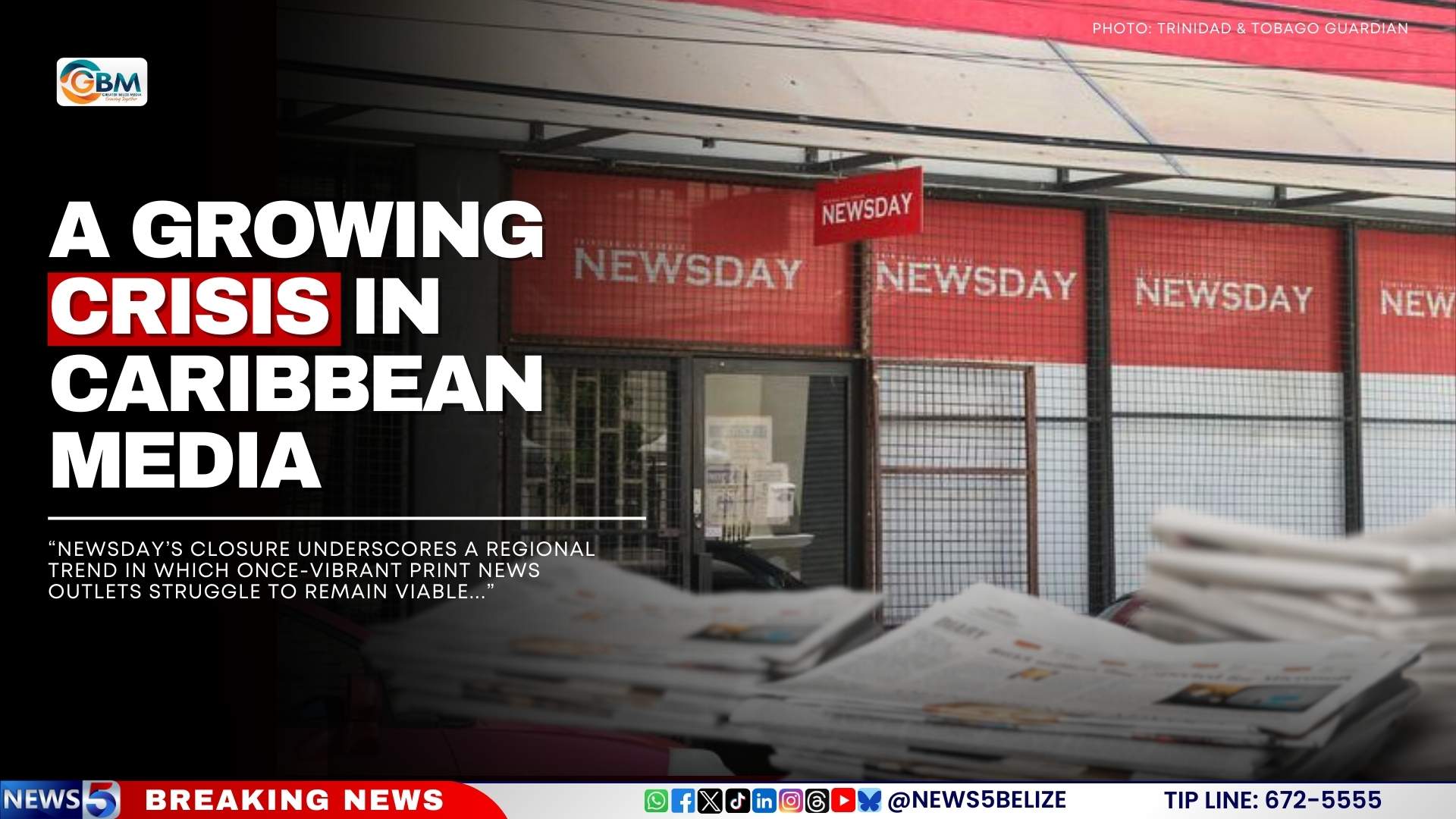
The Caribbean media landscape faces an existential threat as Trinidad and Tobago’s Newsday announces its closure after 32 years of operation. The Media Institute of the Caribbean (MIC) has characterized this development as a profoundly sobering moment that transcends the collapse of a single publication, revealing instead a deep structural crisis engulfing traditional media throughout the region.
According to MIC’s analysis, the shuttering of Newsday exemplifies a dangerous regional pattern where historically robust print news organizations are struggling to maintain viability. This crisis stems from a perfect storm of challenges: constricted advertising markets, escalating operational expenses, and fundamental shifts in audience consumption patterns that have left numerous newsrooms in financial peril.
The implications extend far beyond mere job losses within news organizations. MIC emphasizes that this trend directly jeopardizes media pluralism and undermines the public’s fundamental right to access independently verified information. The organization references UNESCO-supported research that has consistently documented the precarious state of media sustainability across Caribbean nations.
Compounding these challenges is the growing dominance of global technology platforms and the accelerated implementation of artificial intelligence systems. MIC notes that these technological forces frequently utilize local news content without providing appropriate compensation to content creators.
Kiran Maharaj, President of MIC, asserts that the survival of Caribbean media now hinges on critical decisions by newsroom leadership, media proprietors, and policy makers as the industry undergoes continuous transformation. The closure of Newsday serves as a stark warning about the fragility of democratic institutions when independent journalism faces existential threats.